The body keeps the receipts even when you shred the paperwork.
You know the room. Floor-to-ceiling glass on a high floor, a view designed to remind you who has altitude. You walk in carrying the work everyone is about to argue over. Your shoulders sit two inches higher than they should. Your jaw holds a tension a dentist will name years later in a cracked molar. You walk out having won the argument. Your nervous system does not know it won anything.
High-stakes rooms teach you things no leadership program prints in a syllabus. Power has a smell: leather and stale coffee and the particular silence of people who have decided to wait you out. Your credibility enters the room before you do and gets assessed in the first eight seconds. Being right is not the same as being heard. And the price of sitting very still so no one can clock how fast your heart is moving gets billed later, with interest.
The Nervous System Is an Auditor
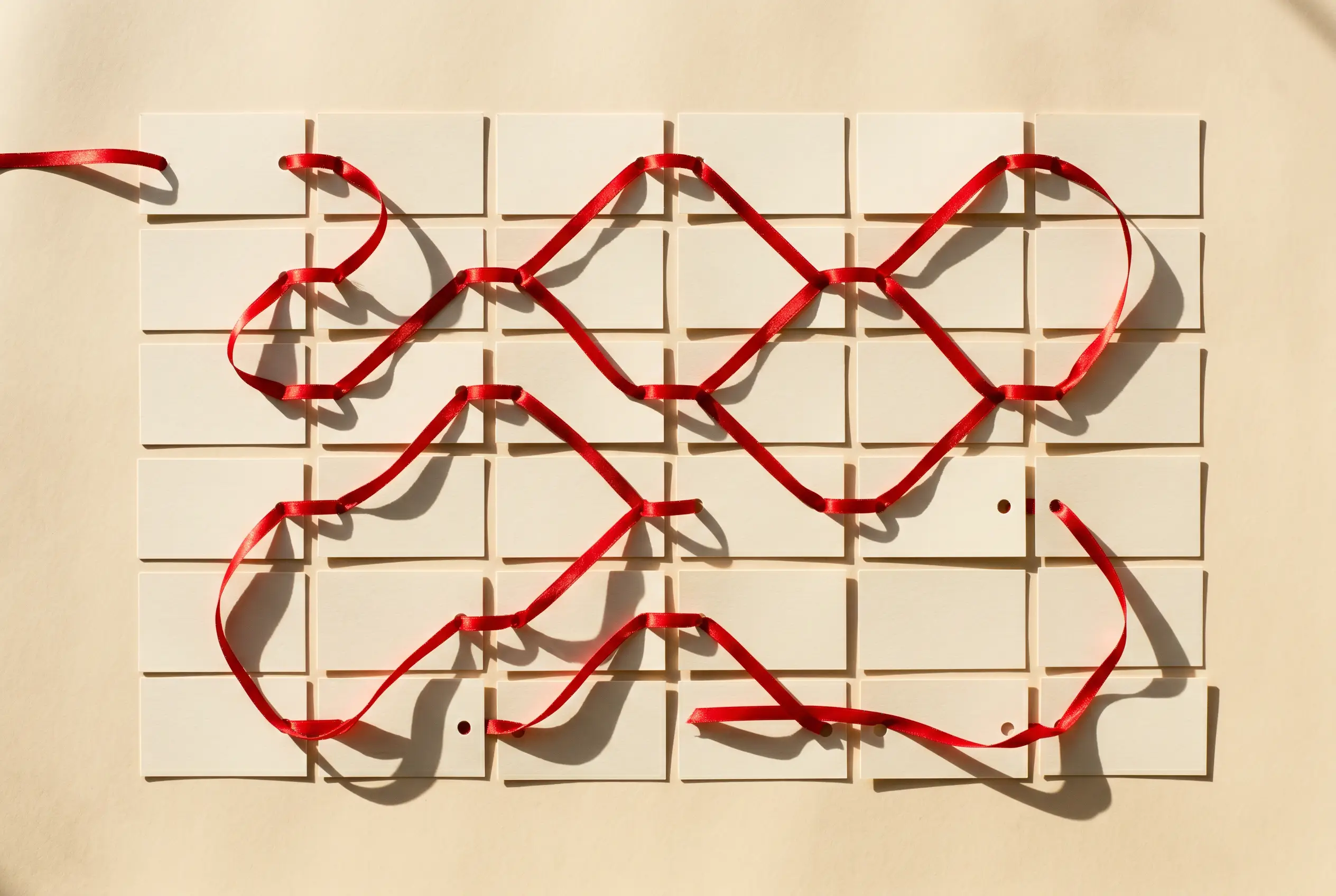
Sooner or later, something goes line by line through everything you have been telling yourself and marks the discrepancies in red. For some people it is a health scare. For others it is the morning the exhaustion stops responding to coffee. The pattern is remarkably consistent: the body already knew. Not in a mystical sense. In a cellular, accumulated-stress, years-of-hard-rooms sense. Adrenaline run long enough gets mistaken for energy. Composure performed consistently enough gets mistaken for calm.
There are moments no one can strategize through. You cannot out-negotiate your own physiology, and eventually it calls the meeting. No model to build, no number to massage, no room to read. Only the body, and whatever you have actually become underneath the performance. That is a clarifying place to stand. Brutal, and clarifying.
The body does not lie about the cost of the rooms you have walked through. It itemizes everything.
What people carry out of that reckoning, when they let it work on them, is not gratitude in the greeting-card sense. It is precision. A sharper sense of what deserves the nervous system and what does not. Work built on generosity asks something different of the body than work built on defense. Vigilance sits in the shoulders. So does its absence. Most people feel the shift there first.
What Power Actually Costs
Leadership culture romanticizes endurance. The stories celebrate the all-nighters, the hard calls, the pivots executed under pressure. The stories omit the chronic tension headaches, the hypervigilance that follows you home, the way you scan a dinner table for threat dynamics out of pure professional habit. Sustained high-stakes presence costs a nervous system something real, and nobody puts it in the annual report.
The leaders worth trusting are the ones who know what they are carrying. Not the ones performing invincibility. Not the ones who confuse dissociation with discipline. The ones who have stood in a hard room, felt their own fear, and made a decision anyway, not because the fear disappeared, but because they knew the difference between a signal and a story.
What Is Worth Carrying Forward
Selectivity is not softness. There is a difference, and it matters. What is worth carrying forward from every hard room you have occupied:
- The knowledge that the nervous system is data, not weakness. It has been right more often than the spreadsheets.
- The discipline to distinguish between rooms that sharpen you and rooms that simply consume you.
- The practice of naming cost honestly, to yourself and to anyone you mentor who is still learning that endurance is not the same as strength.
- The understanding that presence, real presence, is not a performance state. It is what remains when you stop managing the impression and start occupying the room.
Hard rooms make people formidable. Honest reckonings make them wise. Build with both. The body remembers every room. The only question is whether you are willing to listen to what it has been telling you all along.