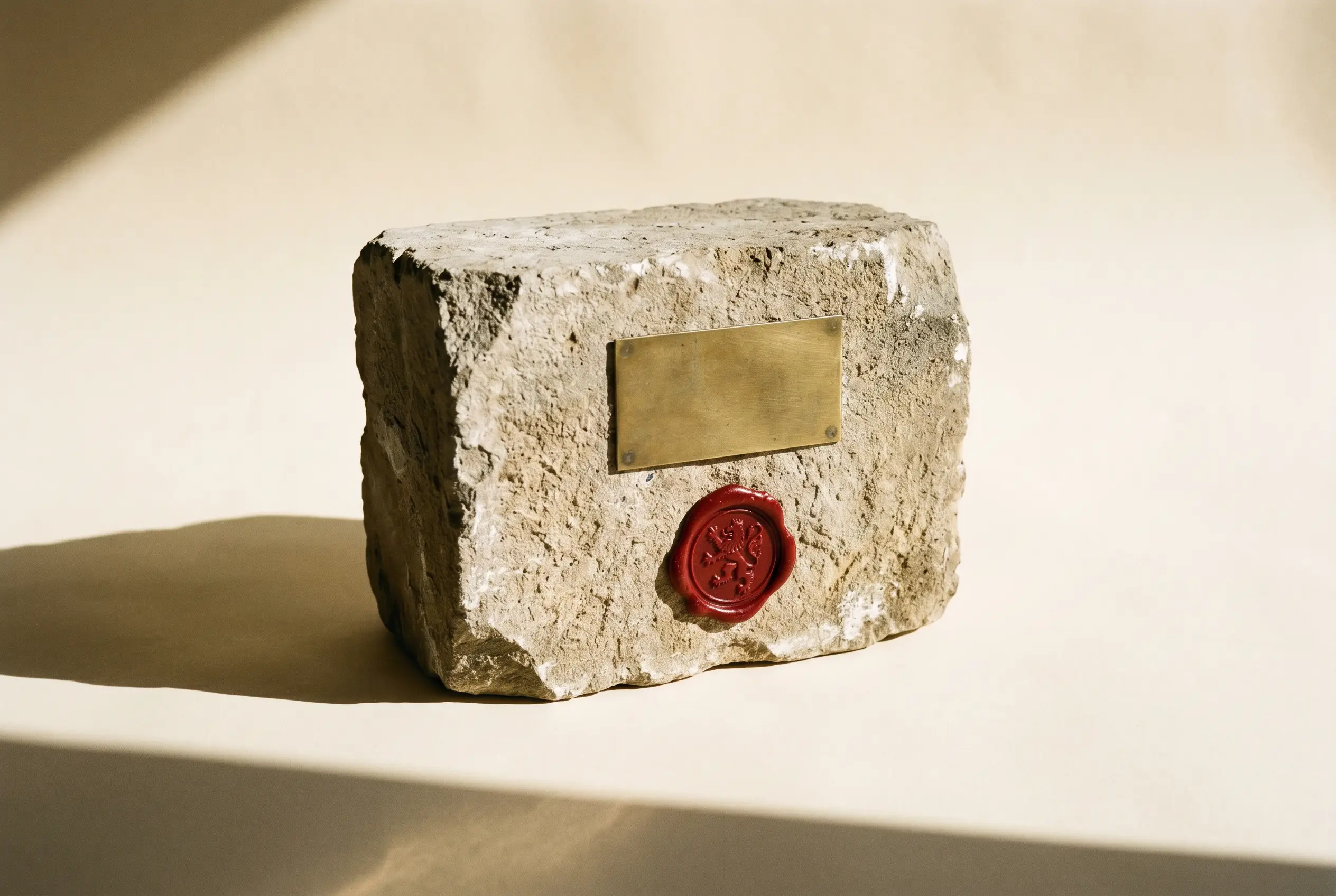
Philanthropy is not charity. It is imagination made material, and most people have never been taught the difference.
Money is a form of attention. Where it goes tells you what a donor believes is real, what they think deserves to exist, what future they are willing to finance. An accounting line item called charitable giving tells you almost nothing. What tells you everything is the specific, irreversible decision to place a bet on a person before the world has bothered to notice them.
That is the real function of a scholarship check written to a young person who is brilliant and under-resourced, standing at the exact moment where potential either gets a runway or gets a eulogy. Talk to enough recipients and you will watch them calculate, almost in real time, whether they can afford to become who they are. That calculation should not have to exist. The best use of philanthropic money is making it stop.
Money Used to Buy Distinction. Now It Buys Delivery.
The old model of giving was fundamentally about the giver. The bronze plaque. The named building. The gala table. Philanthropy as social currency, as proof of arrival. That impulse is understandable, but it is the least interesting thing money can do. Distinction is backward-facing. Delivery is forward-facing, and forward-facing is the only direction worth funding.
A useful reckoning, for any donor, is to strip the sentimentality out of the exercise entirely. Stop asking what looks generous and start asking what actually works. Stop performing generosity and start deciding, with precision, where the dollars produce the most future.
Funding a scholarship is not a transaction. It is an act of imagination. It means imagining a world where a specific student finishes a degree, builds something, teaches someone, changes the conditions that once tried to limit her, and imagining it hard enough to write a check that makes it more likely. The check is not the gift. The imagining is the gift. The check is just proof that someone meant it.
Every dollar placed in the hands of someone the world has underestimated is a small argument that the world is wrong, and a larger argument that we are capable of building something better than the one we inherited.
Choosing Who Gets a Future
This is the part that keeps a donor honest: someone is always choosing who gets a future. Investors choose. Admissions committees choose. Employers choose. Algorithms choose. The question is never whether selection happens. The question is who holds the criteria and what assumptions are baked into them.
Funding decisions are choices, and they deserve to be treated as such: staying in relationship with recipients, tracking outcomes, asking hard questions about whether a selection process reflects genuine values or just bias wearing the costume of values. Giving is not absolution. Giving is responsibility, compounded.
There are things worth looking for that no standardized metric captures:
- Candidates who have already solved hard problems with almost no resources, because resourcefulness under constraint is one of the strongest predictors available.
- Candidates who ask questions that make you think, rather than questions designed to impress, because curiosity outperforms credentials.
- Candidates who have something to prove to a world that told them they were too much or not enough, because that particular fire burns clean and long.
- Candidates who have people counting on them, because that weight, rather than crushing them, tends to make them precise.
None of that appears on a transcript. All of it appears in a conversation, for anyone who knows how to listen.
The World That Does Not Yet Exist
The greatest failure of institutional philanthropy is timidity. Foundations that fund what is already proven. Donors who give to what already has a brand. That is not imagination, that is insurance. Real philanthropy bets early, bets specifically, and accepts that some bets lose, because the alternative is only ever funding the past.
The more interesting bet is on the researcher who will write the diagnostic tool nobody thought to build, the engineer who will design the governance framework that keeps a system from encoding the same exclusions that kept an earlier generation out of the room, the builder who will make the thing none of us have the vocabulary for yet.
She exists right now. She is doing the math on whether she can afford to stay. The check that says she can is not charity. It is the most precise investment available, in a future chosen on purpose, and believed in before the proof arrives.