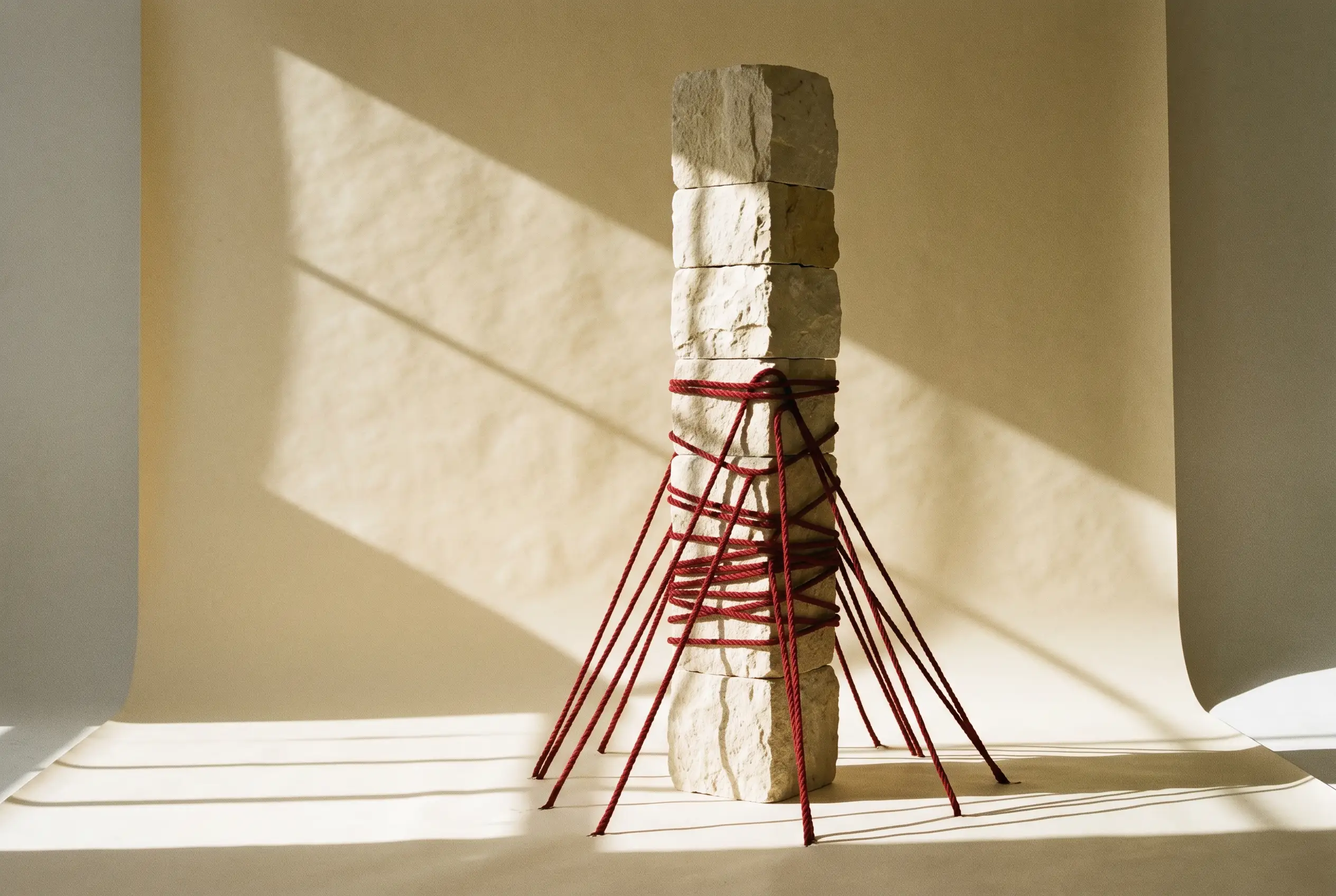
Nobody builds anything alone. The sooner that myth gets buried, the sooner it becomes possible to build something worth having.
Boardrooms pass the word "self-made" around like a compliment, a credential, proof of character. Ascents get described as a solo climb, a pure act of will, as if the hands that steadied the ladder simply did not count. There is a particular kind of arrogance that masquerades as inspiration. "I built this myself" sounds like motivation. What it actually does is erase everyone who handed over a tool, opened a door, or believed in the outcome before the evidence existed. Erasure dressed as ambition is still erasure.
What Every Grant, Break, or Vouched-For Chance Actually Proves
Talent and hunger and good grades are common. What separates the people who get a shot from the people who don't is rarely effort alone, it's someone deciding, at some point, that the potential in front of them was worth an investment. A donor who wrote a check. A teacher who wrote a letter. A stranger who vouched for a resume that hadn't earned trust yet on its own. That is not a diminishment of anyone's later achievement. It is the full and honest account of it.
People who go on to build real careers, real companies, real bodies of work rarely do it without remembering the whole truth: not just what they did, but what got done for them, at the right moment, by someone who didn't have to bother.
The myth of the self-made person does not inspire individuals. It gives the already-powerful a reason to stop helping anyone else.
Crisis Changes the Relationship With Credit
Anyone who has come through a serious personal crisis knows they did not get through it alone. Specialists intervened. Researchers whose names will never be known spent decades building the systems that made recovery or rebuilding possible. A person's own resolve does real work, yes. But that resolve had help, extraordinary, expensive, collective, human help.
A crisis like that strips away a lot of comfortable fictions. One of the first to go is the idea that individual will is the primary engine of outcomes. Will matters. It keeps a person going on the hard days. But will did not build the system that caught them. Will did not sit up with anyone at three in the morning. People did. Systems did. Community did.
The rooms where the biggest decisions get made, where capital gets allocated, where technology gets governed, where the future gets decided by a relatively small number of people, need more voices that understand this. They need people who have seen the numbers behind the numbers, who built something real instead of something merely fundable, and who got there with help, not despite it.
What We Owe the Myth's Victims
The self-made story does not just flatter the powerful. It punishes everyone who needed help and got it. It makes assistance feel like weakness. It makes community feel like dependency. It makes a helping hand feel like charity instead of what it actually is: a correction of an imbalance that was never the recipient's fault to begin with.
The people harmed by this myth are owed something more honest than inspiration:
- Acknowledgment that structural barriers are real, not personal failures dressed in circumstance.
- Credit given loudly and specifically to everyone who contributed, mentors, backers, communities, ancestors.
- Investment in systems that do not require extraordinary luck to produce ordinary opportunity.
- The truth that interdependence is not a weakness in the story. It is the story.
Money used to buy distinction. Now it buys delivery. What hasn't changed is this: the people who accumulate the most still tend to claim the credit most aggressively, and the people who contributed the most still tend to get written out of the narrative first.
Careers get built. Companies get funded. People survive crises that tried to end them early. None of it happens in a vacuum. None of it happens alone. That should get said plainly, every time, in every room where it's relevant, because the myth doesn't just distort history. It shapes what gets thought possible next.