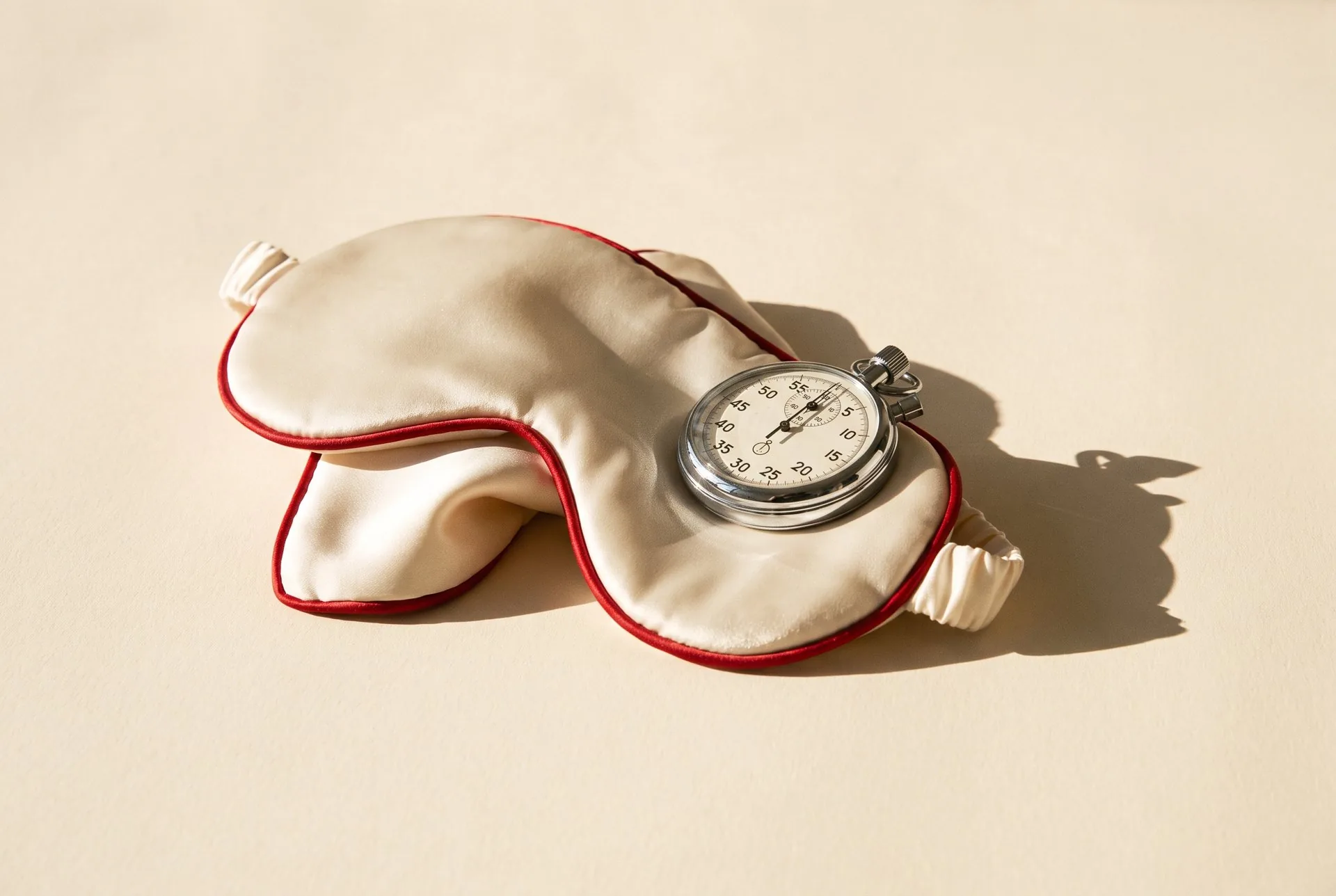

Wellness culture sold everyone a religion and called it self-care. And like most religions built on aesthetics rather than truth, it is doing real damage to real people while everyone holds their green juice and applauds.
Illness does not negotiate with a wellness routine. Anyone who has spent real time in a hospital waiting room has sat beside people who did everything right, organic groceries, morning rituals, supplements arranged like a pharmacy on the kitchen counter; and got sick anyway. That is the first uncomfortable truth this industry will never put on a linen-textured Instagram card.
Wellness used to mean absence of disease. Now it means a subscription. It used to be a doctor's assessment. Now it is a brand identity. The shift sounds harmless until someone delays a biopsy because they are committed to healing through frequency vibrations and adaptogenic mushrooms instead. Then it becomes something else entirely. It becomes dangerous.
The optimization trap
An entire generation has absorbed the message that the body is a performance machine requiring constant calibration. Track your sleep. Score your recovery. Quantify your stress. Plenty of brilliant, driven twenty-two-year-olds arrive at adulthood having turned their nervous systems into dashboards, and wonder why they feel nothing but behind.
Optimization culture dressed itself in wellness language and convinced people that rest is a productivity strategy rather than a human right. Peace used to be the goal. Now it is the reward for hitting your metrics. That is not wellness. That is capitalism with a meditation app.
The Global Wellness Institute, an industry research organization, estimated the broadly defined wellness economy at $5.6 trillion in 2022. That estimate combines multiple overlapping sectors and should be attributed to its methodology; market size alone says nothing about clinical benefit or population health.1
You are not a project to be completed. You are a person to be lived.
What gets left out of the conversation
Wellness culture is almost pathologically focused on the individual, personal choices, personal discipline, the perfect morning routine. What it systematically ignores is everything structural: insurance gaps, environmental toxins, the chronic stress of financial precarity, healthcare deserts where people drive two hours to see a specialist. Clean eating cannot fix a zip code. Breathwork cannot fix a broken system.
Ask anyone who has actually gone through serious treatment what sustained them, and the answer rarely matches what wellness culture celebrates. It tends to look like this:
- A nurse who remembers a patient's name and explains every procedure without condescension
- Friends who show up with bad television and no advice
- A therapist who allows fury instead of demanding gratitude
- The specific, stubborn belief that there is still work left worth doing
None of that comes in a box. None of it has a founder with a podcast. None of it requires a credit card.
The cruelest trick wellness culture plays is the implied causality, that if someone is sick, or tired, or struggling, some failure of habit or mindset explains it. This logic is not just wrong. It is morally corrosive. It turns suffering into a personal indictment. It makes people ashamed of their bodies at the exact moment their bodies need compassion most.
What actual wellbeing requires
Clinical-looking design and a citation do not establish a health claim. In the United States, the FTC expects health-product advertising to be truthful, non-misleading, and supported by evidence appropriate to the claim, while FDA generally does not approve dietary supplements for safety and effectiveness before marketing.23
Wellbeing is shaped by sleep, relationships, medical care, economic stability, education, environment, and community, among other factors. These are population-level determinants, not a guarantee that any individual who does everything “right” will remain healthy.4
Wellness culture gave us aesthetics. What people needed was infrastructure. It gave us rituals. What people needed was honesty. The beautiful, uncomfortable truth is this: nobody can purchase their way into being okay. Some days, okay is simply surviving them. That counts. That has always counted.