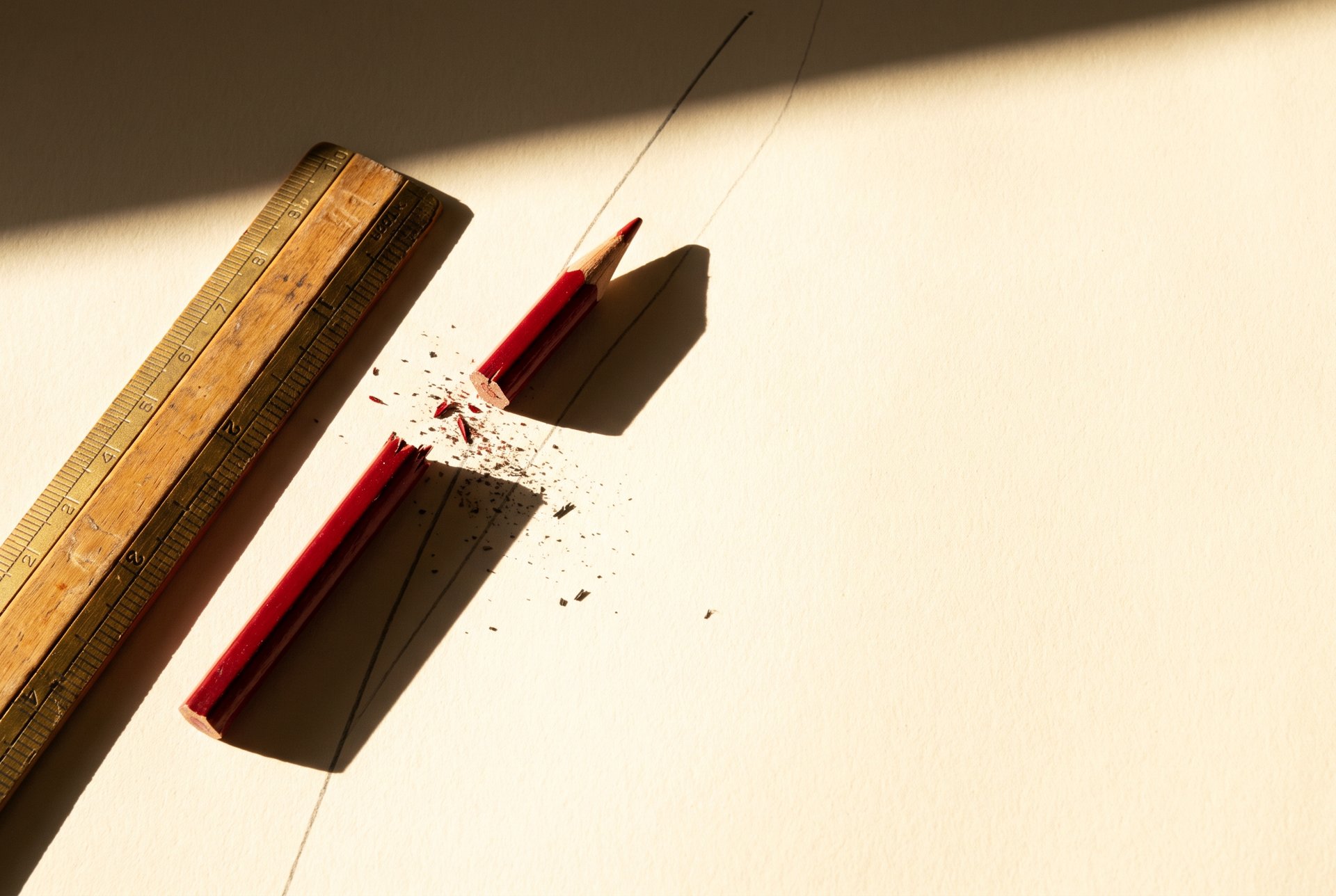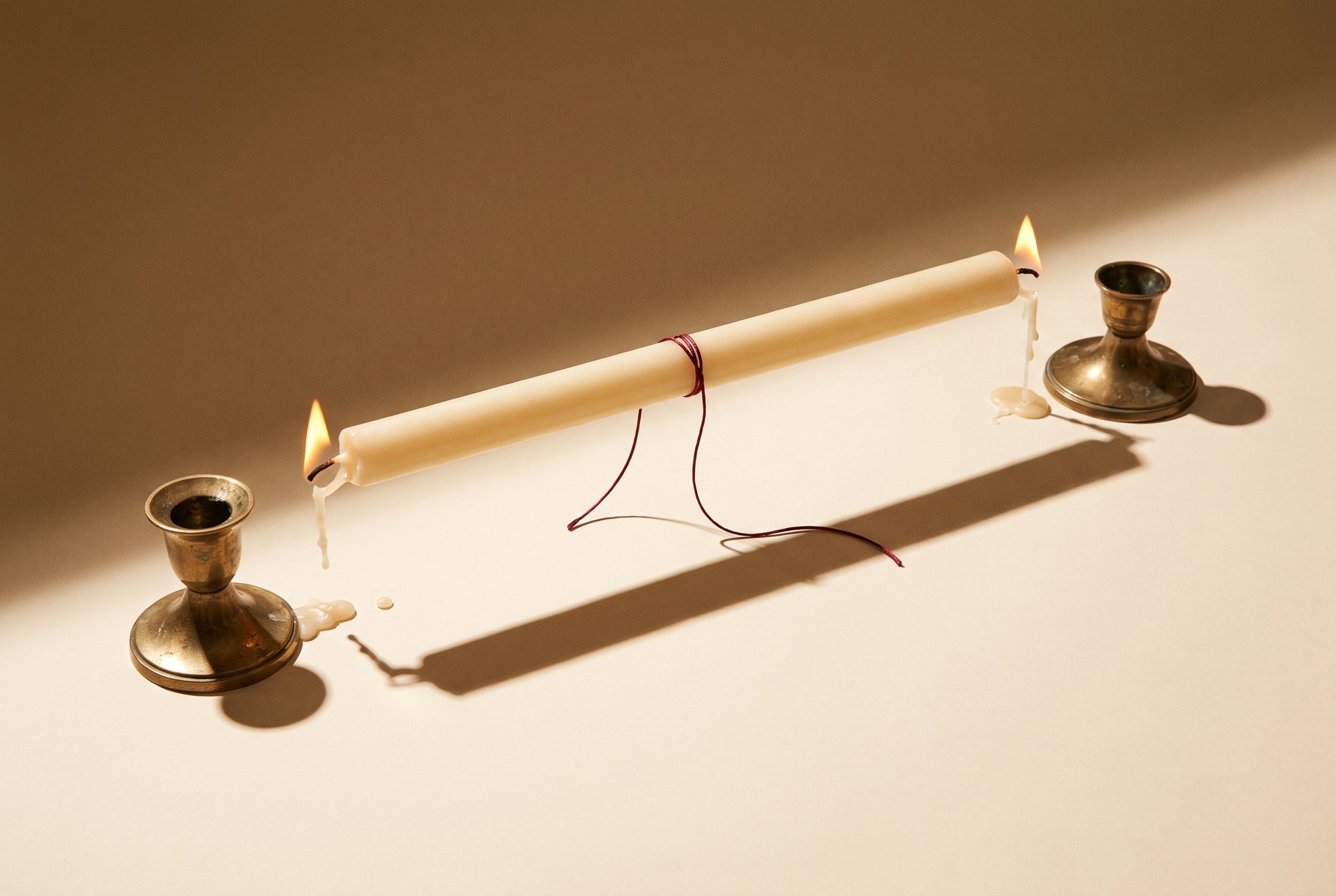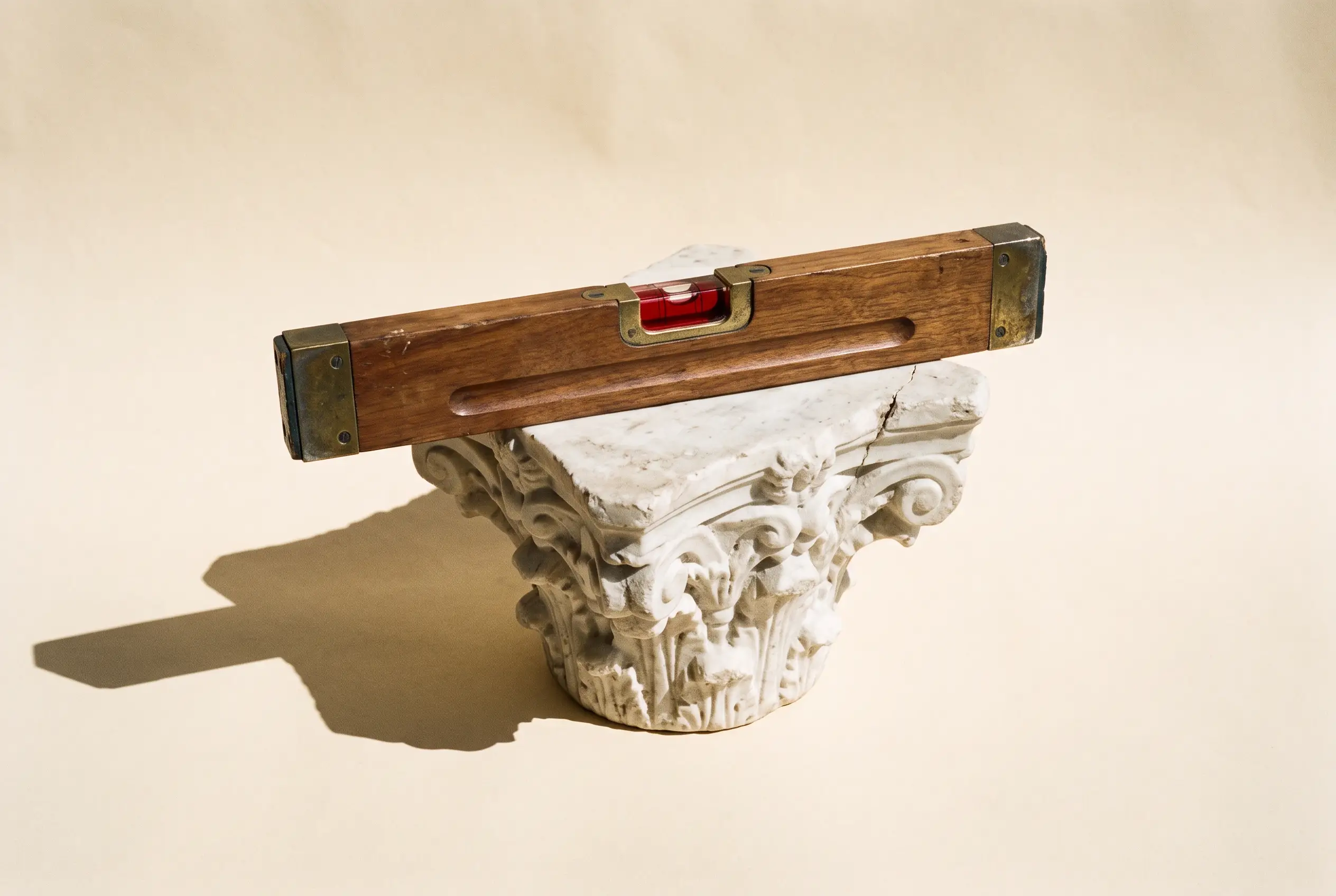
Art is not an amenity. It is the load-bearing wall. Remove it, and the whole structure comes down.
Look closely at any discipline — engineering, medicine, finance, policy — and the throughline is always the same: the work that endures was shaped by someone who first learned to see. To feel proportion. To hold ambiguity without flinching. That skill does not come from a spreadsheet. It comes from art, and from the long cultural apprenticeship that art makes possible.
We fund what we call serious. Roads. Broadband. Defense. Research labs. We treat these as infrastructure because we understand, viscerally, what collapses without them. But culture — the medium through which a society understands itself, communicates its values, and imagines its future — we treat as garnish. A line item cut in the second round of budget negotiations. A gala sponsorship for optics. A donation made after the real priorities are settled. This is not just a failure of generosity. It is a failure of analysis.
The Balance Sheet We Refuse to Read
Money used to buy distinction. Now it buys delivery. We have optimized for speed and scale so aggressively that we have forgotten to ask what, exactly, we are delivering, and whether it is worth receiving. The creative infrastructure that answers that question — the writers, the choreographers, the muralists, the composers, the filmmakers working in rooms that barely cover rent — operates at a structural deficit that no amount of passion corrects. Passion does not pay studio rent. Passion does not fund health insurance.
Ask anyone who has lived through a long illness, a bereavement, or a season of real fear what actually reached them at 2 a.m. It was rarely a protocol. It was a song. A poem. A novel that kept the loneliness at arm's length until morning. Art does load-bearing work in human lives at precisely the moments when nothing else can get through. That is not a soft data point. That is evidence.
A civilization that funds its roads but starves its artists is one that knows how to move but has forgotten where it is going.
What Serious Funding Actually Looks Like
The mechanics of philanthropic capital are well understood: restricted grants, program-related investments, donor-advised funds, multi-year commitments that signal real confidence versus one-time gifts that signal good PR. Most arts funding is the latter. It is transactional. It is short-cycle. It treats artists as supplicants rather than as producers of essential public goods. Nobody would fund a highway that way. Nobody builds a hospital on one-year renewable grants and hopes for the best.
Serious arts funding looks like this:
- Multi-year general operating support that allows organizations to plan, hire, and take creative risk without spending half their bandwidth on re-application cycles.
- Direct artist stipends structured like fellowships — not prizes for past work, but investments in future production, the same logic applied to research grants.
- Public funding mechanisms at the municipal and federal level that treat cultural institutions as civic infrastructure, not discretionary spending.
- Corporate and private philanthropy that measures return not in logo placement but in community cohesion, workforce creativity, and long-term civic health.
None of this is radical. It is simply the application of financial discipline to a domain we have been sentimental about in the wrong direction — undervaluing it while calling it priceless, which is just a poetic way of refusing to pay.
The Innovation Argument, For Those Who Need It
If the moral case does not move you, try the economic one. Every technology sector that claims to prize creativity is drawing, whether it acknowledges it or not, from a cultural reservoir filled by artists. The designers. The storytellers. The people who taught the engineers how to think in metaphor, how to hold a user's experience as something worth caring about. AI systems are trained on human creative output. The question of what those systems produce, and whether it carries meaning, is entirely a cultural question. You cannot answer it with compute. You answer it with a civilization that kept its artists alive long enough to make something worth learning from.
Run the numbers with a straight face and the conclusion holds: art is infrastructure. Fund it accordingly. The return on investment is a society that still knows what it is for.