Every January the beauty press publishes its trend forecast, and every July half of it is already dead. This year's field is unusually split: real formulation science on one side, TikTok's short attention span on the other. Here's which predictions from the 2026 crop are earning their keep — and which ones were never going to survive contact with an actual bathroom counter.
The Ones With the Receipts
Skinimalism keeps getting rebranded as if it's a new idea, but 2026's version has teeth: search data cited by Beauty Independent shows consumers actively trading ten-step routines for fewer, stronger products, with barrier repair as the stated goal rather than accumulation for its own sake. That shows up in ingredient demand, not just vibes. Azelaic acid searches are up 49% year over year, past 165,000 monthly searches, according to trend-tracking firm Spate — and dermatologists have been recommending it for rosacea and post-inflammatory hyperpigmentation for years, well before it had a TikTok following. Beta-glucan, the barrier-repair polysaccharide pulled from fungi and algae, is up 51% in search interest. Mineral sunscreen — zinc oxide and titanium dioxide formulas — is up 124%, a jump large enough to signal a real category shift rather than noise.
These three have something in common: they solve a problem dermatologists already agreed was worth solving. That's why I'd bet on all three still being shelf staples in 2027, long after this cycle's forecast headlines are forgotten.
The Ones Riding a Shorter Clock
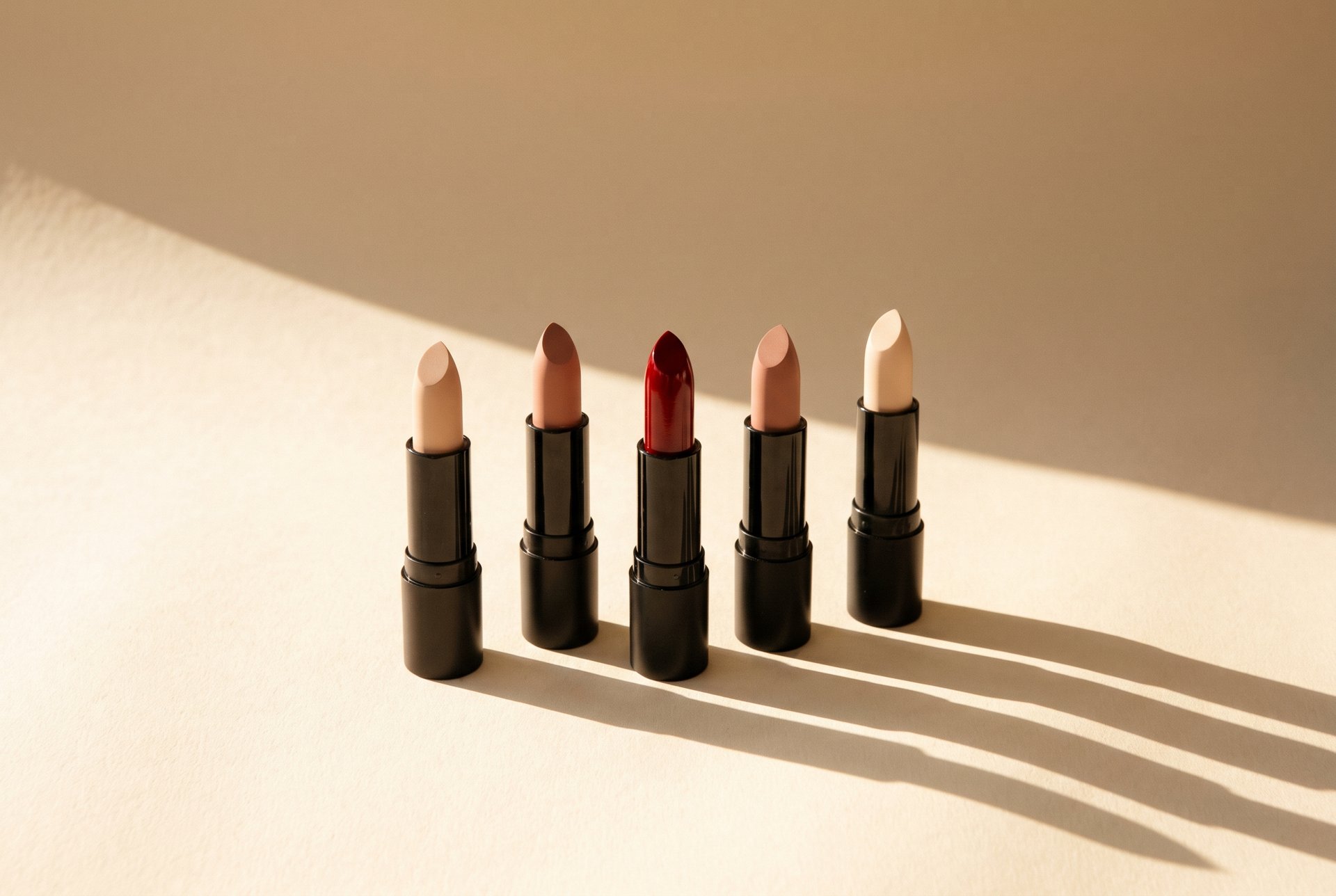
Monochrome and "latte" makeup — tonal browns and warm neutrals worn head to toe — had a real runway moment this season, showing up at Simkhai, Coach, and Isabel Marant. It photographs well and requires no new skill, which is exactly why it will fade fast: a trend built entirely on restraint has nowhere to go once the next color story arrives. Apricot blush, New Beauty's pick for spring's hottest shade, will likely outlast it — blush shades cycle slower than full looks because they flatter a wider range of skin tones and don't require committing to an entire palette.
The Korean lash lift is the one I'd watch. U.S. search interest is up 3,695% year over year — a number that big usually means either a genuine breakout or a bubble about to pop. My read: it survives, because it's a service, not a product purchase, and services with a two-month re-book cycle build repeat habits faster than a bottle on a shelf ever does.
Trends that generate views but not results keep fading — peel-off masks, novelty gadgets, and one-off TikTok hacks don't get patience from consumers anymore without something to show for it.
What's Already on Its Way Out
Beef tallow skincare had its hockey-stick growth through 2024 and 2025, and industry trackers are now reporting cooling interest — the ingredient never had a dermatology consensus behind it, just a compelling before-and-after video. Novelty ice rollers, peel-off masks, and one-off "hack" videos are following the same arc: high view counts, low repeat purchase. If a product's entire pitch is the reveal moment rather than the six-week result, it's a content format, not a skincare category, and it will get replaced by whatever reveals better next quarter.
Where this gets genuinely interesting is the ingredients still working their way up from niche to mainstream: PDRN (polydeoxyribonucleotide, originally a wound-healing compound), advanced ceramide systems, and marine-derived spicules with a microneedling-like texture. None of these are mass-market yet. All three have real research behind them, which is usually the tell for what's actually worth stocking versus what's filling a forecast slide.
- Lasts: azelaic acid, mineral sunscreen, beta-glucan, apricot blush, the Korean lash lift
- Fades fast: monochrome/latte makeup as a full look, beef tallow, peel-off masks and novelty tools
- Worth watching: PDRN, ceramide systems, marine spicules — early, but backed by real formulation science
The Real Divide
Underneath the color stories and lash treatments, 2026's actual story is personalization: AI-assisted skin diagnostics and custom formulation platforms are pushing brands away from one-size-fits-all product lines. That part of the forecast is worth taking seriously — not because AI is a novelty, but because it's solving the same problem skinimalism is solving from the other direction: fewer wasted products, more targeted ones. Any ingredient with a hormonal, inflammatory, or medical dimension — azelaic acid included — is worth running past a dermatologist before building a routine around it, especially if you're layering it with prescription treatments. The forecast headlines will keep coming every January. The ingredients backed by actual dermatology research are the only part of the list that survives past March.