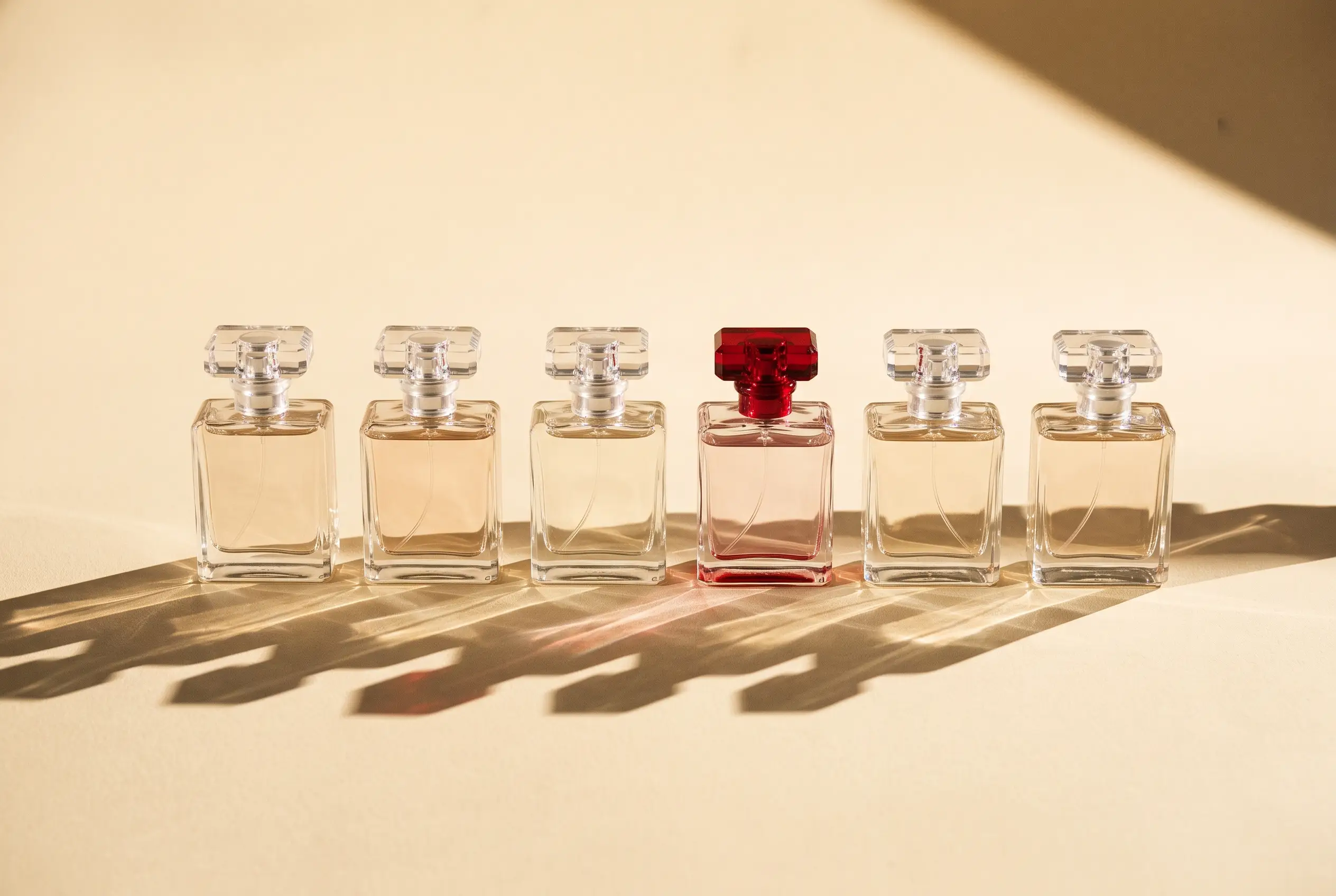
The most interesting thing a fragrance brand can do right now is decide what it will not be.
Clean beauty arrived with a mandate, and most brands promptly buried themselves under it. Suddenly every house needed a candle collection, a body lotion, a wellness extension, a celebrity collaboration, and a refillable program announced in a press release that used the word "conscious" four times. The result was a category that smelled like everything and said nothing. The brands worth paying attention to went the other direction: they picked a point of view and never wavered from it.
The Case for a Narrow Point of View
Editing is discipline. Saying no is not a failure of imagination — it's imagination, fully realized. The fragrance houses worth trusting understood this before the rest of the category caught up.
D.S. & Durga does not want to smell like a spa. It wants to smell like a road trip through somewhere slightly haunted and entirely American, and that specificity is the whole point. Heretic operates with a kind of gorgeous stubbornness — botanicals, provocation, and zero interest in universal approval. Ellis Brooklyn built a clean fragrance house around a distinctly New York sensibility and stayed there, without apology. These are brands that made a choice, then made it again, every season.
A brand that tries to be for everyone ends up being for no one.
Le Labo earns its reputation not because it's precious, though it is, but because it's consistent. The aesthetic doesn't waver. The ritual of it — hand-labeling, city exclusives, refusing to discount — is a philosophy expressed through commerce, and that's rare. Henry Rose built its entire identity around full ingredient transparency and held the line even when transparency was inconvenient. Phlur found its footing when it stopped trying to cover every olfactive family and leaned into the emotional architecture of scent instead. Abel, the New Zealand house, remains quietly radical: 100% natural, rigorously certified, and completely uninterested in performing wellness for an audience.
What Restraint Actually Smells Like
Restraint isn't a technical problem — it's a values question. Which notes will a brand refuse to chase? Which trends will it ignore? Which customer is it willing to disappoint in order to stay coherent? The brands worth your money have answered that question clearly:
- D.S. & Durga — Narrative-driven, distinctly American, and unconcerned with mass appeal. Every fragrance reads like a short story written by someone who actually lived it.
- Heretic — Botanical and uncompromising, built by a founder unwilling to chase trend cycles.
- Henry Rose — Built around full ingredient disclosure, a standard the brand has never abandoned for a flanker release.
- Abel — 100% natural, B Corp certified, priced without apology, and deliberately slow to expand its catalog.
Luxury used to mean access to the rare. Now it means access to the considered. Those aren't the same thing, and the difference matters more than most brands are willing to admit. The right scent doesn't try to flatter you into buying it — it simply exists, fully itself, and waits to see if you're ready for it.