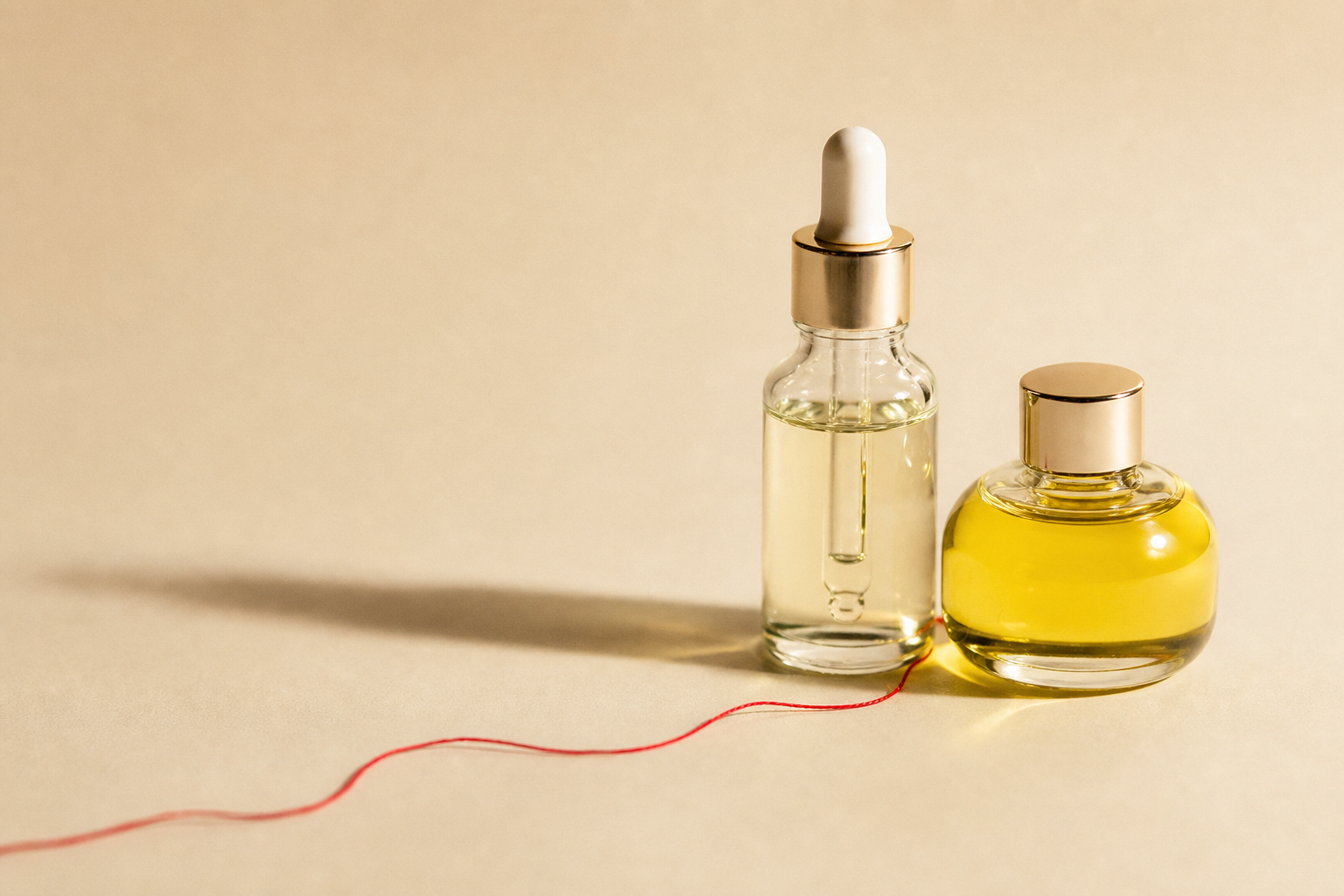
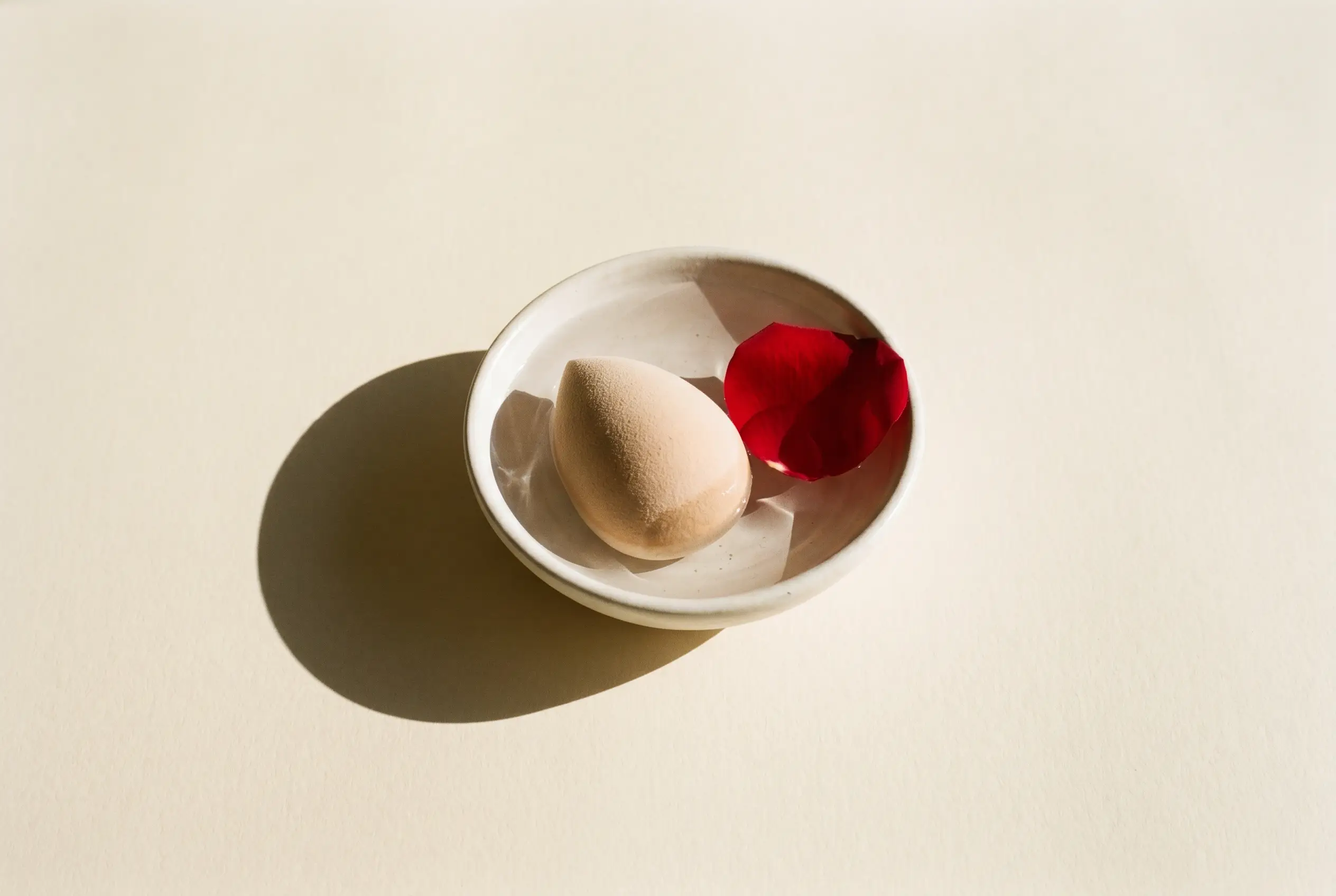
Skin doesn't send a memo before it changes. One week your foundation glides on exactly the way it always has, and the next it clings, creases, or refuses to sit still by noon.
Hormonal shifts, seasonal dryness, a new medication, stress, age. Any of it can quietly rewrite the rules of your skin without asking permission. And when that happens, the instinct is almost always to blame the product. New foundation, new primer, new serum. That's rarely where the real problem lives.
The problem is usually the technique, not the formula
I've tested dozens of foundations on skin that's gone from cooperative to unpredictable, and the pattern is consistent: the formula is fine. The application method is the part that stopped working. Sensitive or newly dry skin reacts to friction the way any stressed system reacts to added pressure. Everything downstream breaks. Dragging a brush the way you always have, pressing a sponge the way you always have, rushing through the same five products in the same five minutes: none of that changes just because your skin did.
The technique that worked on your old skin can be the exact thing sabotaging your new skin. Loyalty to a method isn't a virtue once the conditions have shifted.
It is not about changing the base. It’s about slow hands, light-handedness, and the true desire to rebuild the process rather than just defend it.
The routine that actually holds
For dry or reactive skin, start with the smallest tolerable routine and introduce makeup only after active irritation is controlled. Persistent burning, rash, swelling, cracking, or recurrent facial dermatitis warrants medical evaluation rather than another cosmetic layer.12
- A toner is optional, not required. Any new leave-on product can irritate reactive skin; test it on a small area repeatedly before broad use and stop if itching, burning, swelling, or rash develops.1
- A barrier-supporting moisturizer, given real time to absorb, a full few minutes, not thirty seconds. Use the wait to do something else entirely.
- Primer is optional, and silicone-free is not universally safer for sensitive skin. Use a thin layer only if a tested product improves wear without irritation; application tool and pressure should be chosen for comfort and hygiene.12
- Apply a tolerated foundation with clean hands, brush, or sponge using minimal friction and thin layers. No one tool or technique is clinically superior for every reactive-skin condition; clean reusable applicators regularly and stop during an active flare.12
Setting matters just as much as applying. A light dusting of finely milled powder, placed only where it is genuinely needed, not swept across the entire face, keeps everything in place without the cakey finish that plagues sensitive skin under heavier hands. Uniform coverage isn't the goal. Skin has variation. A good base works with that instead of erasing it.
What changes when you stop fighting your skin
The most useful shift is mental, not technical: stop treating changed skin as a problem to solve and start treating it as new information to work with. Skin that reacts differently isn't skin that's failing. It's skin that's asking for a different approach, and it will tell you exactly what that approach needs if you slow down enough to notice, where it pulls, where it flakes, where a product sits versus where it just slides off.
The most valuable tool in a base routine isn't a serum with a dramatic before-and-after. It is a sponge replaced regularly, and the extra few minutes protected every morning so hydration actually has time to work before anything else goes on top. Time, applied deliberately, does more for a flawless base than any single product on the shelf.
Skin changes. Technique has to change with it. The routine that finally works isn't the one you remember. It is the one built for the face you actually have right now.