Iceland does not owe you a crowd-free experience. You have to earn it.
Every summer, the same pilgrimage repeats itself along the Ring Road: rental cars stacked bumper to bumper at Seljalandsfoss, selfie sticks angled at Skogafoss, waterproof jackets in every color imaginable. The pull is understandable — those falls are genuinely magnificent. But magnificence shared with four hundred strangers on a Tuesday morning is a different kind of experience, closer to a theme park than a wilderness. Awe requires some silence to land properly. Solitude at these sites is not a luxury. It is the point.
Iceland's lesser-known waterfalls offer an extraordinary return on modest effort. You just have to know where to redirect your attention.
The Waterfalls Worth the Detour
Glymur, tucked into Hvalfjörður fjord about an hour north of Reykjavík, stands at roughly 198 meters — Iceland's second tallest — and most travelers drive right past the fjord turnoff without a second glance. The trail crosses a log bridge over the Botnsá river, threads through a cave, and demands actual scrambling on basalt. Wear boots with grip you trust; the footing is wet and uneven enough to punish overconfidence. Go in June, when the light stays past midnight and the canyon walls turn a color that has no clean name in English.
Kvernufoss sits minutes from Skogafoss but receives a fraction of the visitors. A short trail behind a farm leads directly behind the curtain of water, and you will almost certainly be alone. The contrast between the circus at Skogafoss and the stillness here is one of Iceland's quiet jokes — geography used to determine discovery; now it mostly determines parking.
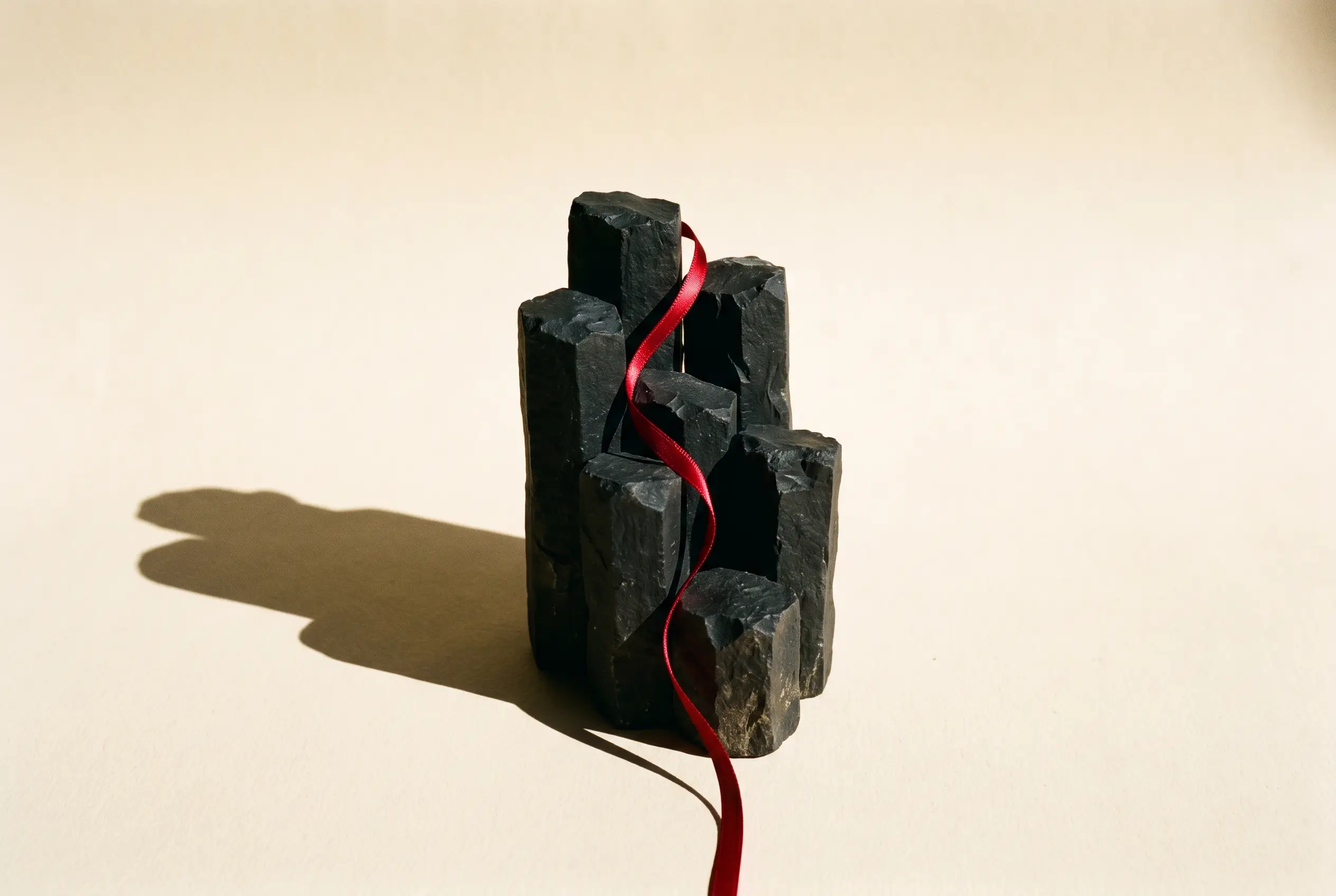
Aldeyjarfoss, in the northern highlands near the Sprengisandur route, drops into a gorge of hexagonal basalt columns so geometrically precise they look architecturally rendered. The F-road access requires a 4WD, and the drive across the interior feels genuinely remote — the kind of remote that recalibrates your sense of scale. The columns are not decorative; they are the physical record of how lava cooled, contracted, and cracked.
Dynjandi, in the Westfjords, is the one that undoes you. It fans out in seven tiers like a bridal veil unraveling in slow motion, 100 meters wide at the base. The Westfjords filter out casual tourists by sheer distance — getting there takes commitment, whether that means a long drive on gravel roads, a ferry, or both. Bring layers regardless of the forecast; Westfjords weather writes its own agenda.
What to Know Before You Go
Iceland's weather is not a backdrop. It is a participant. A trail that reads as straightforward in sunshine becomes a different negotiation entirely in wind and rain. Respect the mountain. Bring more waterproof layers than seems reasonable, and tell someone your route before you set out.
The famous falls will still be there. The version of the trip where you chose the harder, quieter path — that one only exists if you make the choice.
Háifoss and its neighbor Granni pour into a canyon near Landmannalaugar, and the viewpoint above them offers one of the most vertigo-inducing perspectives in the country. Hengifoss in East Iceland, striped with red clay sediment bands, tells a geological story across its face that no caption fully captures. Systrafoss in Kirkjubæjarklaustur is small, quiet, and surrounded by a medieval history most visitors never stop to read.
A few practical notes worth carrying:
- F-roads require 4WD vehicles — rental agreements are not suggestions, and damage from rivers or rough terrain is on you.
- Golden hour in Icelandic summer lasts for hours; plan hikes around late evening light for color that photographers spend careers chasing.
- Hraunfossar, where water seeps through a lava field like a secret kept for centuries, is accessible and undervisited — pair it with Barnafoss next door for a full afternoon.
- Download offline maps before you lose signal, which will happen faster than you expect and sooner than your phone warns you.
Iceland rewards the traveler who reads past the first page. The famous falls are the headline. The lesser-known ones are the actual story — harder to reach, harder to forget, and entirely yours once you arrive.