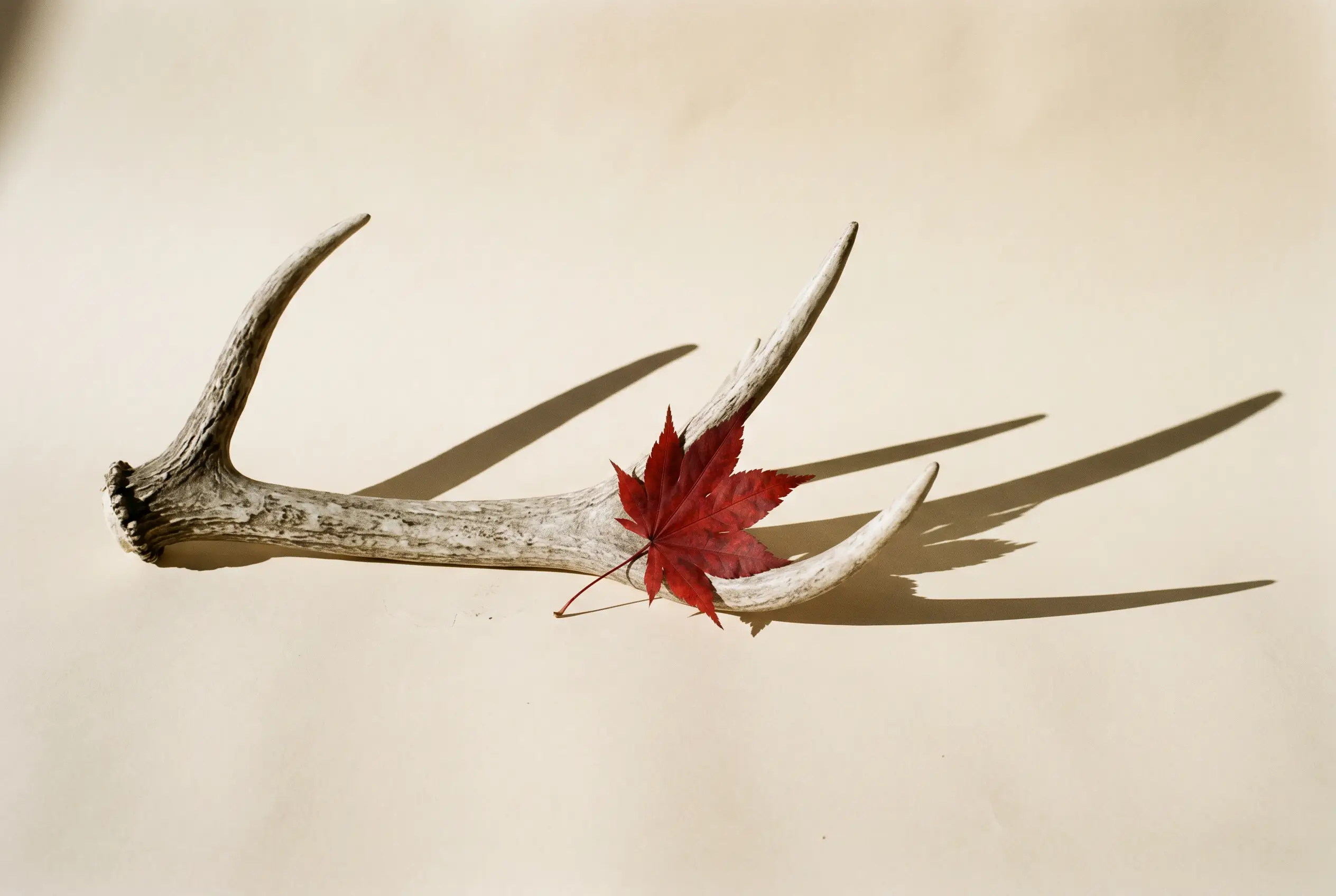
Summer belongs to the crowds. Autumn belongs to those who pay attention.
Peak season sells at a premium and delivers less for it. Run the numbers honestly: a shuttle line in Yosemite Valley in July costs you forty minutes of standing in the sun surrounded by people who paid the same premium to do exactly what you're doing. Shoulder season buys back the thing peak season quietly steals — solitude, and the sense that you're seeing the place rather than surviving it.
Autumn in America's national parks is one of the great underpriced assets left in this country. The summer families have gone back to school routines. The crowds chasing the same ten photo spots have moved on. What remains is the actual thing — the land, the light, the silence, and air that feels freshly filtered.
The Parks That Earn Their Autumn Reputation
Acadia National Park in Maine peaks in foliage between early and mid-October, and the effect is staggering. The carriage roads — those 45 miles of broken-stone paths John D. Rockefeller Jr. commissioned — run through tunnels of maple and birch that turn gold and crimson almost overnight. Cadillac Mountain at dawn in October can mean sharing the summit with a dozen people instead of the summer crush that runs into the millions annually.
Great Smoky Mountains National Park draws more annual visitors than any other park in the system, which makes its autumn transformation almost unfair in its beauty. The Smokies hold over 100 species of native trees, and by mid-October the ridgelines ignite in layers — yellow tulip poplars low, red maples mid-slope — in a display that looks less like foliage and more like slow combustion. Roaring Fork Motor Nature Trail, gridlocked in summer, becomes navigable. Lodge rates drop. Trails breathe.
Rocky Mountain National Park in Colorado offers something no foliage map fully prepares you for: the elk rut. From mid-September through October, bull elk bugle across the meadows at dawn and dusk in Horseshoe Park and Moraine Park — one of the rawest sounds in North American wildlife. The aspen groves along Trail Ridge Road turn a sharp, almost metallic gold in late September that summer green never touches.
Shenandoah National Park in Virginia runs its famous Skyline Drive for 105 miles along the Blue Ridge, and in October that drive becomes a corridor of continuous color. The park sits close enough to the mid-Atlantic corridor to draw day-trippers on October weekends — arrive on a Tuesday instead, and overlooks sit empty, the Appalachian Trail runs quiet, and lodging at Skyland or Big Meadows drops to rates that would embarrass July.
The West in October: Light, Space, and Off-Season Rates
Zion National Park in Utah draws summer crowds so dense the park runs a mandatory shuttle system to manage them. By October, that pressure releases. The canyon's Navajo sandstone walls catch the lower autumn sun at an angle photographers spend careers chasing. Angels Landing and The Narrows both become doable without the human traffic jam that defines them in August.
Yellowstone in autumn trades the geyser-gazing summer masses for a quieter register entirely. The bison rut has ended by September, but elk bugle through the Lamar Valley at dusk, and the park's famous thermal features release visible steam against a much colder sky, making for some of the most striking photography the park offers all year. Hotel rates inside the park drop meaningfully after Labor Day, and by October many secondary roads see a fraction of their summer traffic.
Grand Teton and Yosemite both reward the autumn visitor with a version of themselves summer rarely shows: accessible, unhurried, and lit with the kind of horizontal golden-hour light that arrives when the sun drops low and stops trying to be subtle.
The wilderness does not care about your calendar. It cares about your presence. Autumn is when presence becomes possible again.
A few rules worth carrying into any autumn park trip:
- Book lodging inside the park or within five miles — off-season rates can run 30 to 40 percent below July peaks, and proximity eliminates the dawn scramble for parking.
- Arrive at trailheads before 8 a.m. The light is better, the wildlife is out, and the parking lot is still yours.
- Check foliage-tracking tools like the Smoky Mountains foliage map or USDA Forest Service reports — peak color windows often run only ten to fourteen days.
- Layer aggressively. Autumn mornings in Rocky Mountain or Grand Teton can dip below freezing while afternoons hit 60 degrees. The range is part of what makes the day feel complete, not a nuisance to plan around.
The parks are still there. The color comes every year whether anyone shows up or not. The only real question is whether you're willing to arrive after the noise has cleared and let what remains be enough. It usually is.