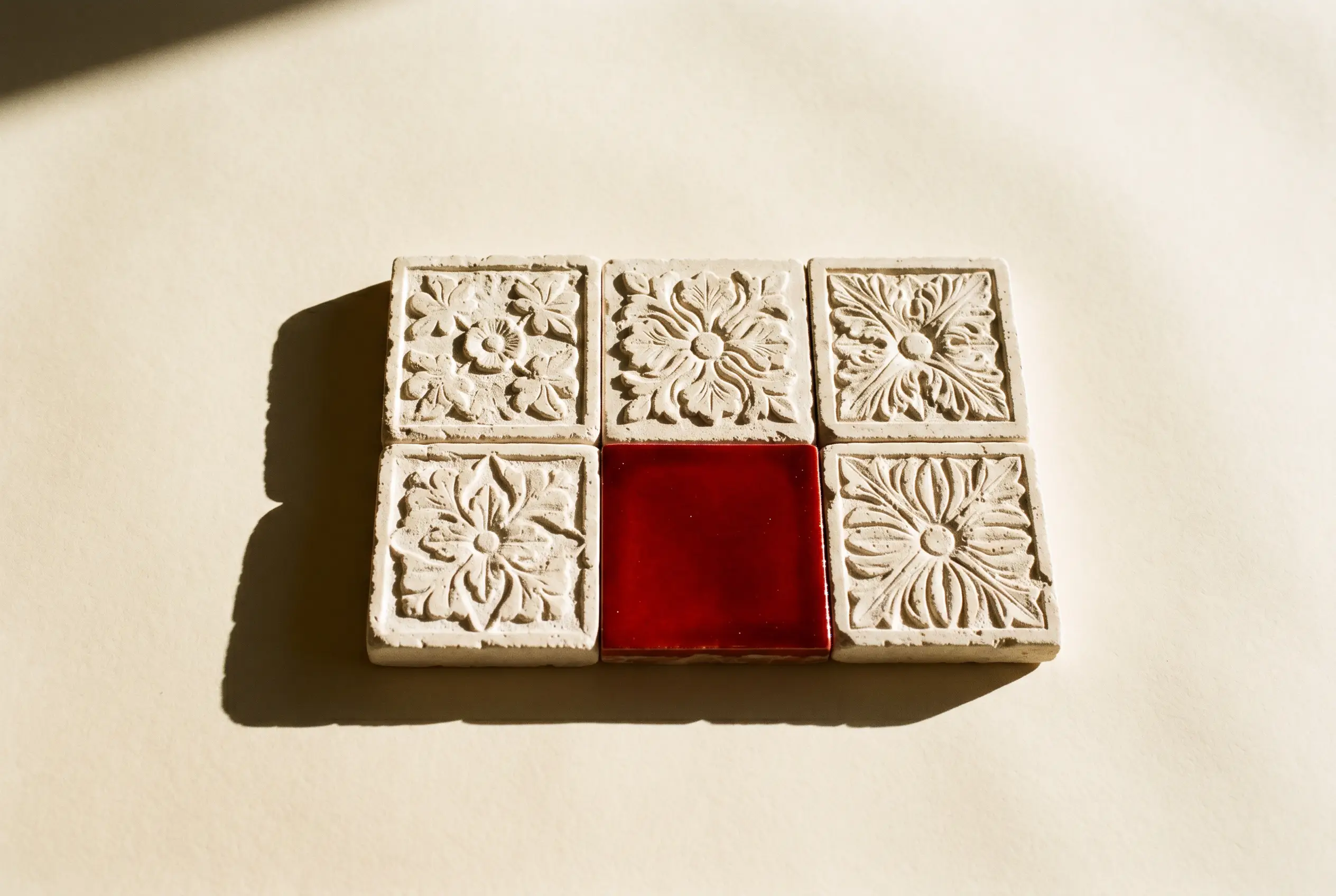
Portugal will rearrange assumptions about what a family trip can be — if the itinerary lets it.
Most travelers fly into Lisbon or Porto and stay there. Both cities deserve their reputations. But for families spanning generations — a grandparent who needs a slower pace, a young adult who wants to hike the edge of a caldera, a partner who will follow the wine wherever it leads — the country's interior and its islands do more for a group than any city's famous pastéis. The real Portugal lives in the Douro Valley's terraced vineyards, in Monsaraz perched above the Alqueva reservoir, in Tavira's Roman bridge at dusk, in the quiet of a quinta in the Alentejo where dinner appears at a long wooden table and no one checks a phone.
Build the Trip Around Terrain, Not Highlights
The mistake most families make is treating Portugal like a checklist — Évora's Roman temple, a Douro boat cruise, Sintra's palaces. Each stop is worthy. Strung together without breathing room, they produce a trip that looks impressive on paper and feels exhausting in the body, especially across three generations with three different energy levels.
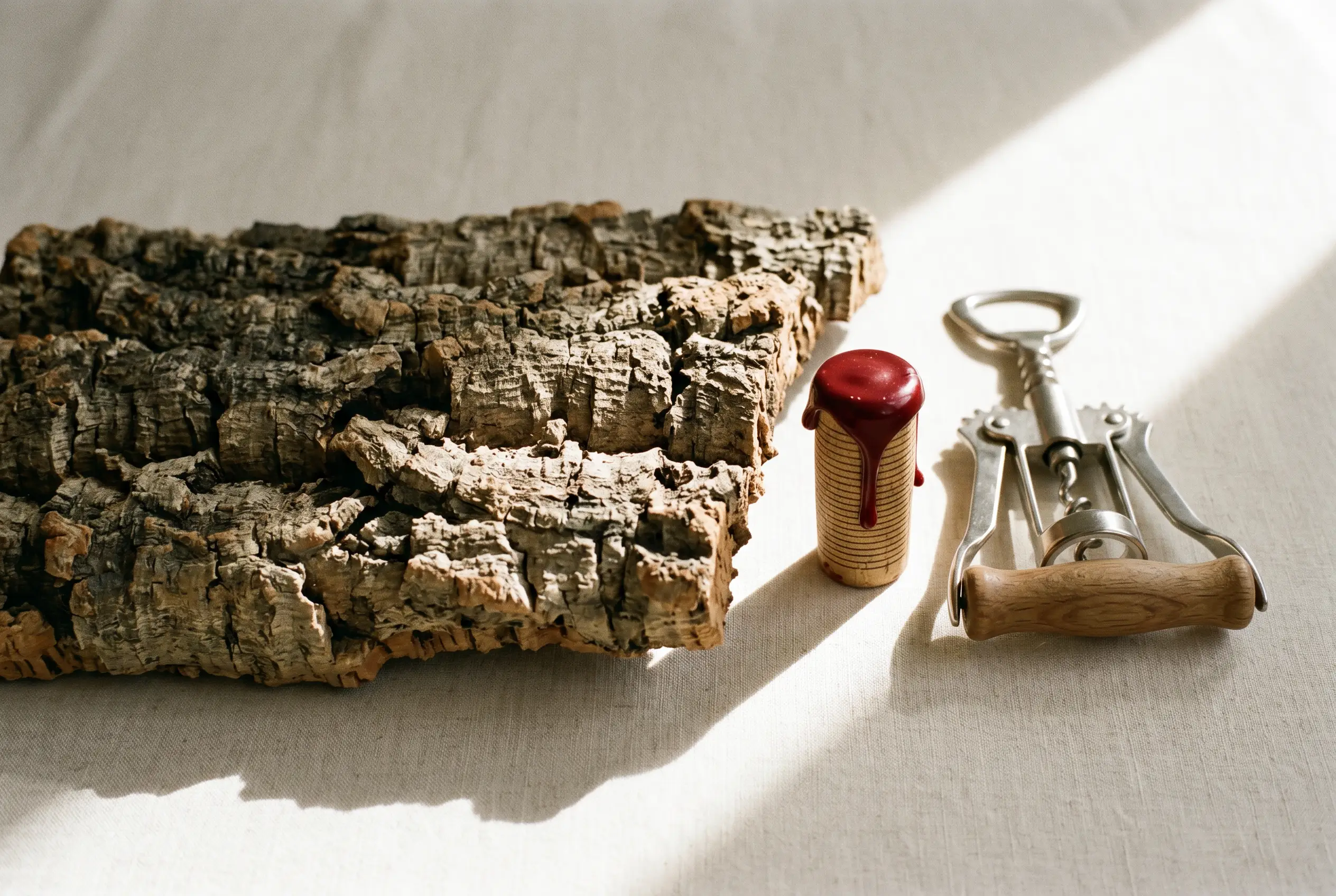
Anchor each section of the trip to a base instead. The Alentejo rewards three nights in a single property — a cork-farm estate outside Évora, perhaps, where the oldest travelers can rest in the afternoon while others rent bikes or simply sit with a glass of local wine and do nothing productive. Monsaraz, forty minutes east, deserves a half-day and a long lunch. Tavira, in the quieter eastern Algarve away from the resort sprawl, rewards walking the same streets twice and noticing something different each time. These are not consolation prizes for skipping the obvious stops. They are the point.
For the Douro Valley, rent a house rather than a hotel room — one with a kitchen and a terrace and enough space that a multigenerational group can share a roof without negotiating the television remote. The Valley runs on slow mornings and long evenings. Quintas offer wine tastings that double as education and entertainment, and unplanned conversations tend to outperform anything on the itinerary.
The most expensive thing a family can give itself is unhurried time in a place that does not perform itself for tourists.
The Islands Belong in the Conversation
If the group can tolerate a short additional flight, the Azores and Madeira deserve serious consideration — not as add-ons, but as destinations worthy of their own trip or a genuine extension. The Azores, specifically São Miguel, offer a landscape so geologically alive it feels like the planet is still deciding what it wants to be. Madeira's levada walks suit a range of fitness levels, and Funchal's market makes the strongest possible case for a slow, unhurried breakfast.
- Pace the trip so no one travels more than three hours between stops on any single day — this protects everyone, especially the oldest and youngest in the group.
- Book lodging with communal outdoor space — a terrace, a garden, a courtyard — because the best family conversations happen when no one is trying to force one.
- Eat dinner late, the Portuguese way, and resist filling every lunch with a reservation. The unreserved lunch, found by walking until something smells right, is usually the meal everyone remembers.
- Leave one full day per week with nothing scheduled, and defend it the way any important commitment gets defended.
Portugal, beyond its famous cities, offers exactly the kind of return that never shows up on a highlight reel. A family comes back different. That is the only metric that matters.