The islands will take your money, your afternoon, and hand you back a photograph you've already seen a thousand times. There's a peninsula two hours from Volos that won't.
The Pelion Peninsula sits above the Pagasetic Gulf, an easy detour from the mainland that somehow escaped the industrial tourism circuit entirely. It is mountain and sea in the same afternoon. It is chestnut forest and octopus drying on a line outside a taverna that has no sign. Santorini is a product now. Mykonos is a brand. Pelion is still, stubbornly, just a place.
The Architecture of Quiet
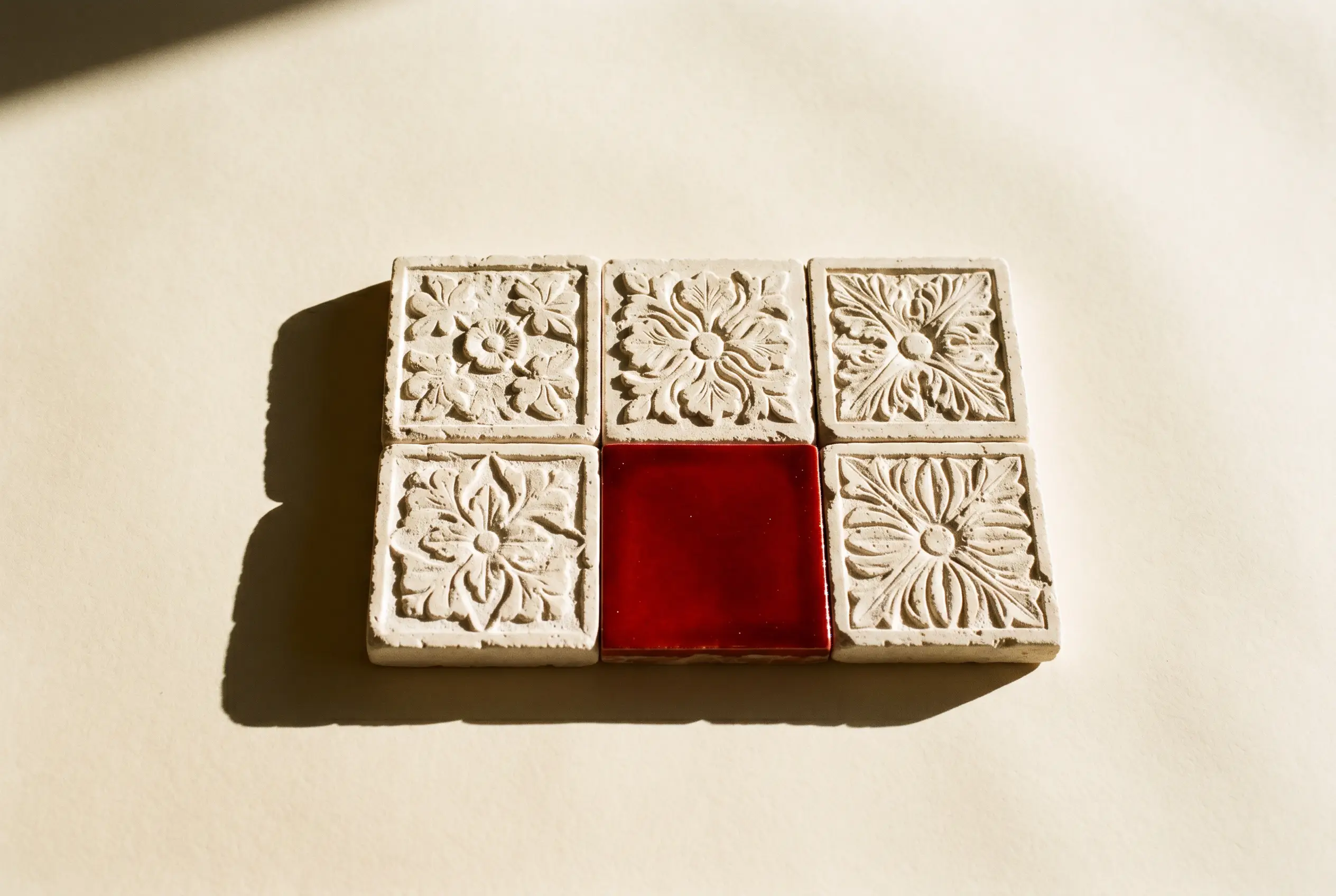
The villages here — Makrinitsa, Vizitsa, Tsagarada — are built from stone the color of old money. Grand mansions with arched doorways and painted ceilings once belonged to silk merchants who traded across the Ottoman Empire, and their houses still say so without apology. The cobblestone paths between them are narrow by design; no tour bus can follow you in. That isn't an accident of geography. It's the reason the place has stayed itself.
Plane trees anchor the central square of nearly every village, canopies so wide and so old they read as geological rather than planted. Sit under one in Zagora with a small carafe of tsipouro and no agenda, and it becomes clear within twenty minutes why people keep coming back to a region with no beach clubs and no infinity pools.
Luxury used to mean thread count and turndown service. Here, it means sitting somewhere beautiful with nowhere to be.
The stone mansions have largely been converted into small guesthouses, run with the kind of restraint that comes from people who already know what they have. No neon signage, no manufactured infinity-pool views — just thick walls that hold the heat out, wooden floors with some give in them, and windows that frame the gulf like a painting nobody had to commission.
Mountain to Sea Before Lunch
What Pelion does better than almost anywhere else: mountain in the morning, sea by noon. The drive from Portaria — cool, forested, thick with the smell of pine and wet earth — down to Agios Ioannis on the Aegean side takes under an hour, and the descent through chestnut forest opens without warning onto a beach of dark pebbles and water clear enough to read as a color with no name yet.
Eastern beaches face the open Aegean. Western shores curve along the calmer, warmer Pagasetic Gulf — the kind of water you ease into rather than dive. Damouchari, a tiny harbor with a ruined castle above it, is worth the detour for the grilled fish alone, which tastes distinctly of the water it came out of that morning.
Pelion rewards the curious and has little patience for the passive. Getting the most out of it means navigating an unmarked turn now and then, asking a local rather than trusting the map. The reward tends to be proportional to the effort — which is true of most places that are actually worth the trip.
The Food Tastes of the Place
That's the sentence worth remembering here: the food tastes of the place, not of a menu built by a consultant.
- Spetzofai — the local sausage-and-pepper stew — arrives in a clay pot still bubbling, built for the cold that rolls down off the mountain at night.
- Chestnut bread, dense and faintly sweet, made from the forests the road winds through to get here.
- Fresh-caught fish at harbor tavernas with no sign and no need for one.
- Tsipouro poured without ceremony, the way confidence usually is.
Go before it changes. Walk slowly, ask before photographing a stranger's doorway, and remember that a place this quiet gives you exactly what you're willing to receive — and nothing you try to take by force.