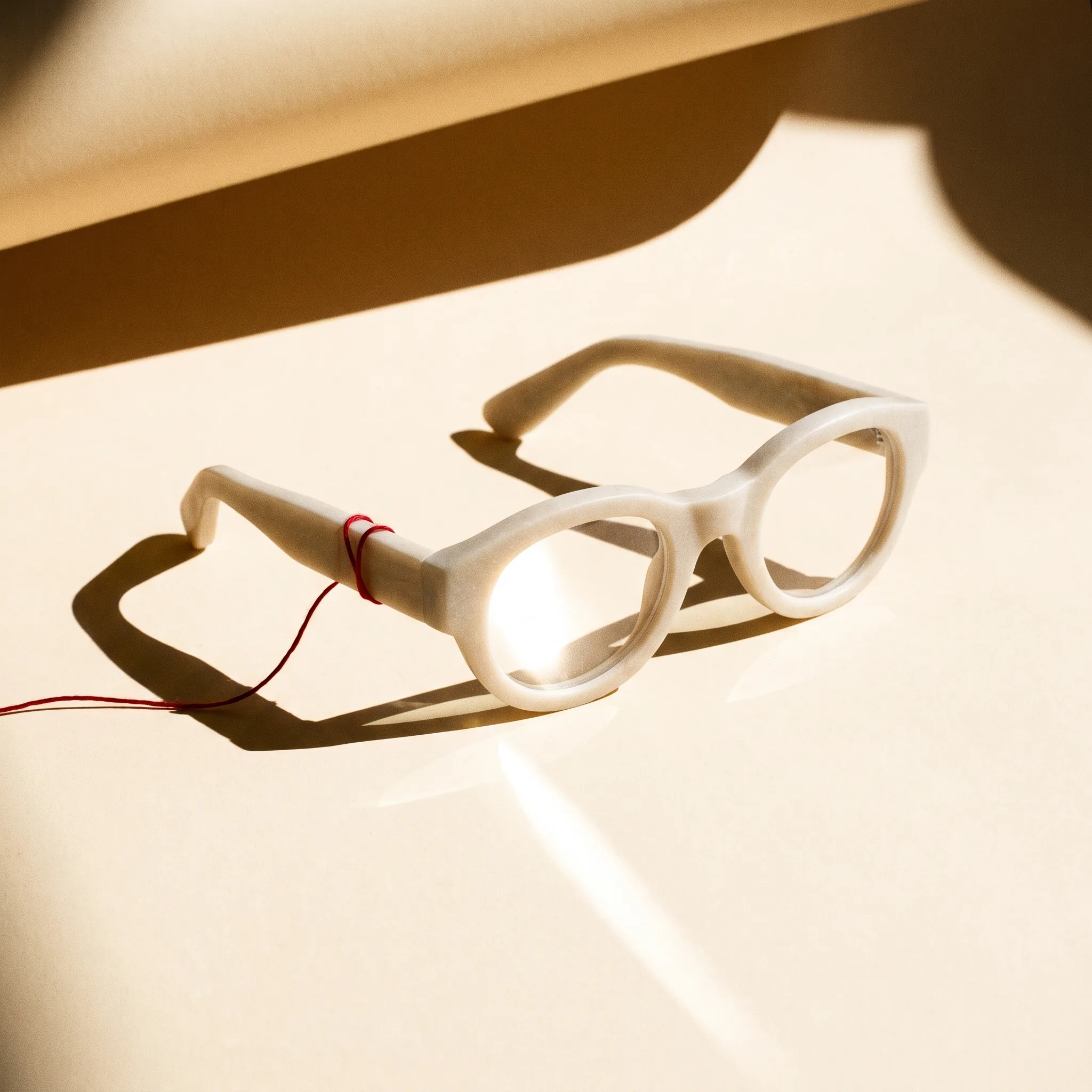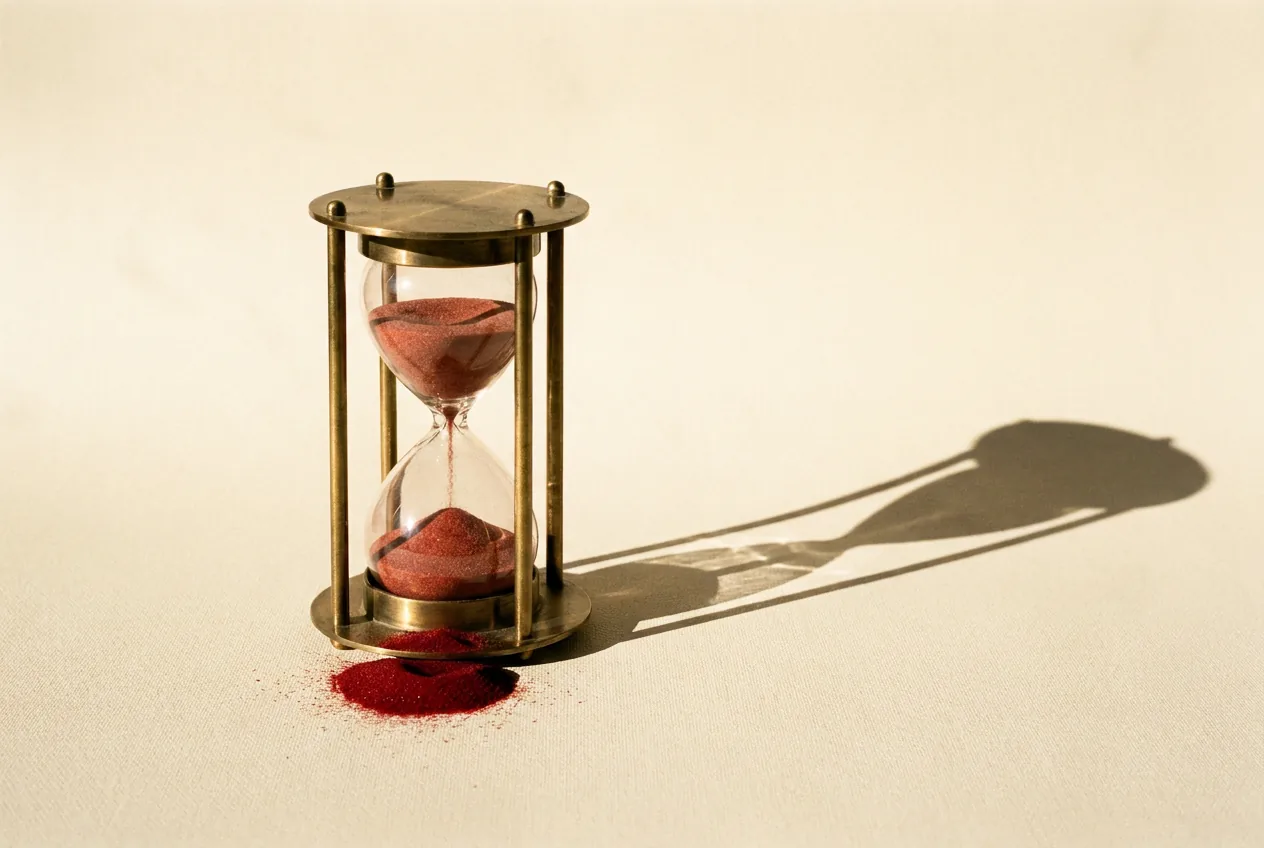
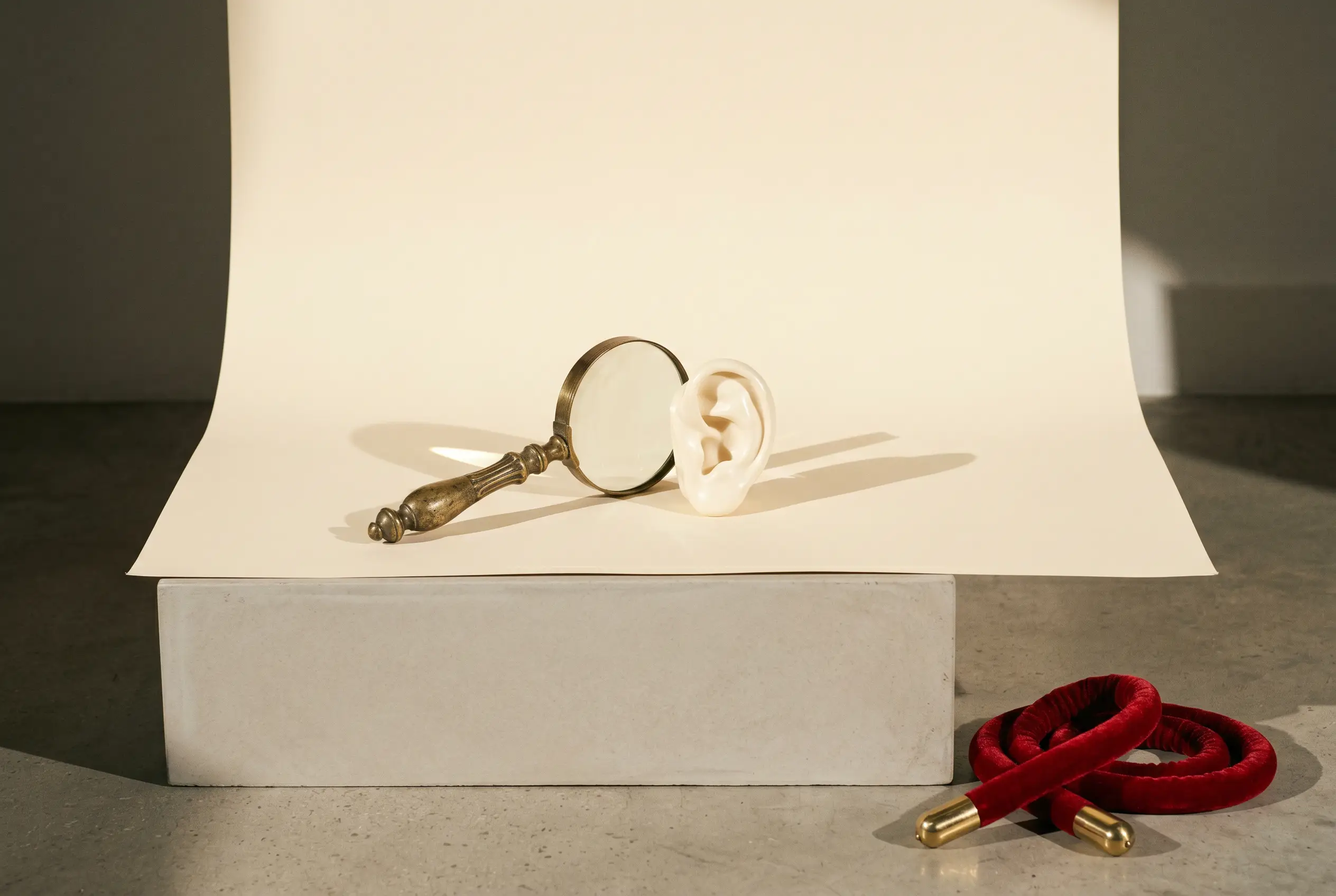
Vienna has specialist museums that receive less mass-tour attention than the largest institutions, but visibility and attendance change by season, exhibition, school group, and day. This guide offers alternatives; it cannot promise an empty room.1234
Treat queue length only as a real-time logistical signal, not a measure of quality. Check official hours, closures, ticketing, accessibility, and exhibitions before visiting; a museum described as quiet can still be busy or closed.134
The Josephinum: where medicine meets the uncanny
The Josephinum building was completed in 1785 and its permanent exhibition includes anatomical and obstetric wax models acquired in Florence by Emperor Joseph II. How long you get alone with them depends entirely on the day, and anyone promising you twenty undisturbed minutes is describing their own luck.12
What makes the collection unsettling is not the anatomy, it is the calm. These models were built to teach surgeons without requiring a body on the table, and the craftsmen solved that problem by making death look like rest. The result holds two registers at once: clinical precision and private tenderness. A crowd would flatten that tension into a photo op. Fortunately, crowds rarely find their way here.
Tourists follow beauty. Travelers follow curiosity. The difference shows in where they end up at four o'clock on a Tuesday.
Admission is modest, and the gift shop sells postcards of wax viscera, which is exactly the kind of souvenir that separates a real trip from a scripted one.
The Esperanto Museum and the Globe Museum: two floors of magnificent obsession
Vienna's Austrian National Library runs several specialist museums that fall into a category worth seeking out on purpose: productive eccentricity. The Esperanto Museum documents the constructed language that was supposed to dissolve borders, a utopian project born in the same era that produced the catastrophes that made such projects feel necessary. The Globe Museum, one floor away, holds the largest collection of terrestrial and celestial globes in the world. Some date to the sixteenth century. One fits in a pocket. One requires a room.
Both are, in their own way, monuments to knowledge infrastructure; who builds it, who owns it, who gets locked out of understanding the world at any given moment in history. The globes represent every era's best attempt to say: here is the world as we currently understand it. The Esperanto archive represents the belief that language itself could be redesigned for justice. Both projects were wildly ambitious. Both are now largely ignored by the crowds outside, which is precisely why they reward a visit.
The Globe and Esperanto museums use a combined ticket, but prices and comparisons with unrelated businesses change. Consult the Austrian National Library's current official admission page; the cheerful comparisons to the price of a glass of wine go stale faster than the tickets do.3
The Clock Museum: time, kept obsessively
The Uhrenmuseum sits inside a medieval building in the first district, three floors of clocks spanning six centuries. Bracket clocks, tower clocks, pocket watches, astronomical regulators that tracked the movement of planets with the patience of monks. At the top of each hour, everything strikes at once. The sound is not charming. It is overwhelming, slightly threatening, and completely honest about what time actually is.
Most museums about time are sentimental. This one is not. It treats measurement as a form of respect rather than nostalgia, and the effect is oddly clarifying; a reminder that urgency and importance are not the same thing, whatever a crowded itinerary might suggest.
For anyone planning a systematic approach to these four rooms, a few practical notes:
- The Josephinum closes on Sundays and Mondays; plan accordingly, or you will stand outside a locked neoclassical facade feeling foolish.
- The Globe Museum requires timed entry slots that can be booked online; the slots rarely fill, but booking takes thirty seconds and removes all uncertainty.
- The Clock Museum's striking hour is loudest on the third floor, arrive five minutes early and position yourself there deliberately.
- All four institutions accept the Vienna City Card, which pays for itself by the second museum if you are moving with any efficiency.
Fame used to signal quality. Now it signals foot traffic. Vienna's finest rooms are not the famous ones, they are the ones where the light comes through old glass, the curator knows every object by name, and the only sound is the visitor's own attention, finally undivided.