Tbilisi does not ask for your attention. It commands it. Step off the plane into the warm, sulfurous air, and the city makes its case in the first five minutes: this place has been lived in hard, and it shows, and it is magnificent for it.
Seventy-two hours is enough time to leave Georgia's capital with wine-stained fingers, a new respect for clay vessels older than most empires, and the specific ache of a city not easily left behind. Here is how to spend those three days.
Day One: Arrive Hungry, Walk the Old Town, Drink Amber Before Dark
Land, drop the bags, and walk straight toward Abanotubani, the sulfur bath district in the city's southeastern pocket. The domed brick rooftops rise from the earth like the backs of sleeping animals, and the smell is real, ancient, and faintly medicinal. Book a private bath at one of the older hammam-style houses — Chreli-Abano or Royal Bath — and let thermal water do what it has done for weary travelers since the fifth century. This is not a spa treatment. It is geology as hospitality.
Afterward, climb uphill to Narikala Fortress. The walls are partial, crumbling honestly, without apology. The view over the Mtkvari River and the corrugated zinc balconies of Old Town has a way of making urgency feel briefly, usefully small. The carved wooden balconies below, draped in laundry and potted herbs, lean over the narrow streets at angles that suggest improvisation elevated to an art form — beauty and precarity sharing the same address.
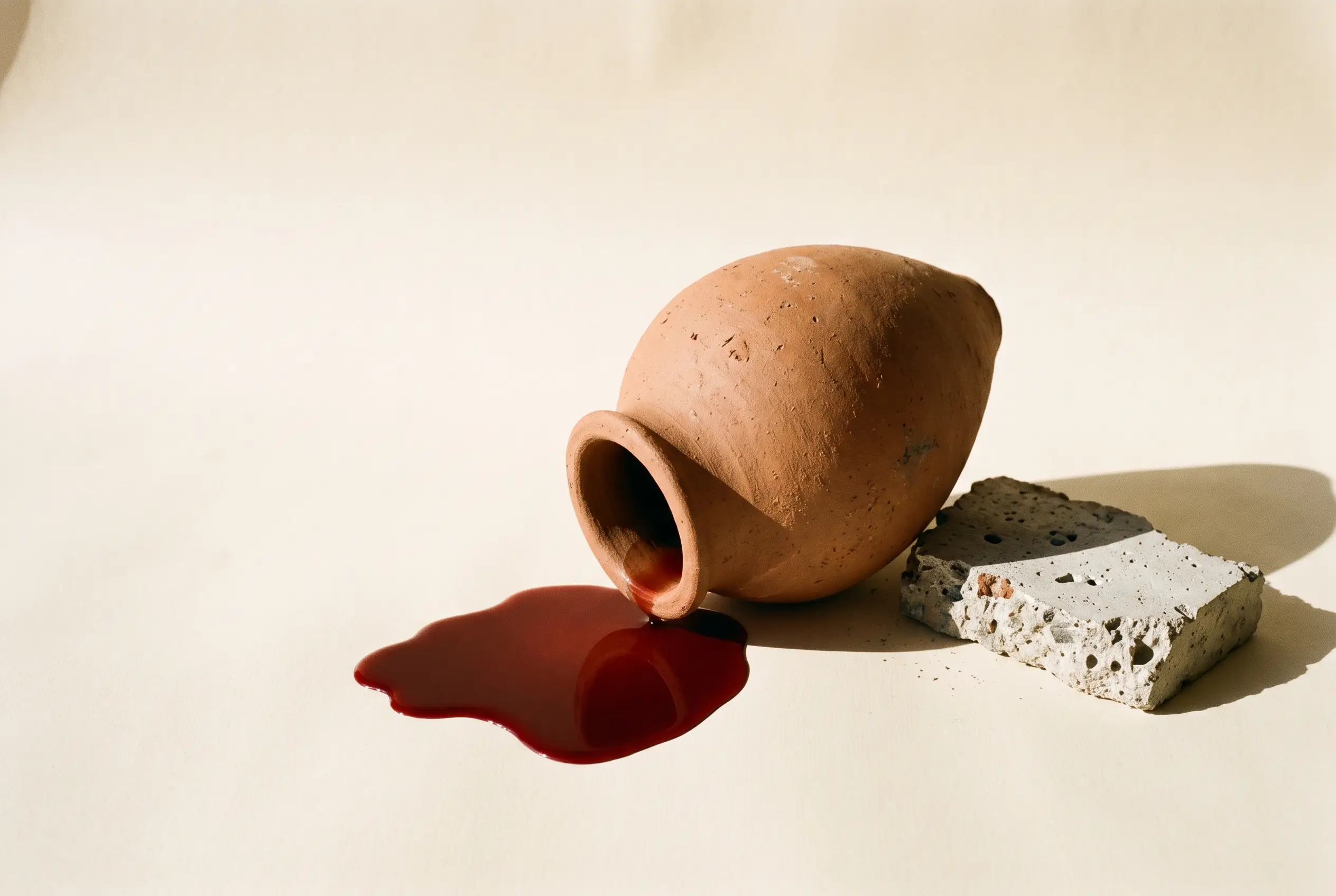
Make the first glass of wine an amber one. Find a table at Vino Underground on Galaktion Tabidze Street and order a Rkatsiteli aged in a qvevri. Qvevri winemaking is 8,000 years old: clay vessels buried in the earth, grape skins macerating with the juice for months, producing something tannic, oxidative, and unlike anything a modern winery would attempt on purpose. Some things are worth tasting slowly.
Day Two: The Supra Table, Soviet Ghosts, and the Bridge of Peace
A Georgian supra is not dinner. It is a structured act of generosity, presided over by a tamada — a toastmaster — who guides the table through toasts moving from God to the homeland to the dead to the children not yet born. Book a long lunch at Barbarestan, a restaurant built around the recipes of a nineteenth-century Georgian duchess. The lobiani, a flatbread packed with spiced kidney beans, arrives like a declaration. The walnut-stuffed badrijani — tender eggplant rolled tight and plated with pomegranate seeds — needs no improvement.
After lunch, take the cable car up to the Kartlis Deda statue, the aluminum Mother of Georgia standing 20 meters tall with a sword in one hand and a bowl of wine in the other. She offers both. That is the Georgian proposition in a single image: come in peace, and there is a feast; come as an enemy, and there is that too.
Preservation is not the same as reverence. Tbilisi keeps its old walls standing and builds glass bridges beside them. That is not contradiction. That is confidence.
In the late afternoon, cross the Bridge of Peace — Michele De Lucchi's glass-and-steel pedestrian arc over the Mtkvari, and one of the city's most honest structures. It does not pretend to belong to the medieval streetscape. It sits beside it, modern and unapologetic, and the contrast makes both old and new easier to read. Cities that refuse all change become museums. Tbilisi knows the difference.
Spend the evening at Fabrika, a Soviet-era sewing factory converted into a creative hub of wine bars, design studios, and outdoor seating. Order a natural wine from a producer no one back home has heard of yet. That is the point.
Day Three: Soviet Modernism, the Market, and One Last Glass
Take a morning walk past the Ministry of Highways, one of the most extraordinary pieces of Soviet-era brutalist architecture still standing — a building that staggers across the hillside on concrete legs like a ship that forgot it was landlocked. Strange, defiant, and worth every minute of the detour.
End at the Dezerter Bazaar, the city's central market, where morning light comes through corrugated roofing onto buckets of tarragon, dried churchkhela, and wheels of sulguni cheese. Buy something. Eat it standing up.
Before the car arrives, here is what is worth carrying home from Tbilisi:
- A bottle of single-vineyard Saperavi that costs twelve dollars and tastes like forty years of patience.
- The reminder that food, done right, is still an act of love and not content.
- The understanding that amber wine is not a trend — it is a tradition that has outlasted every trend that ever mocked it.
- The specific humility that arrives when a 1,500-year-old fortress makes any modern urgency look recent.
Tbilisi does not need anyone's discovery. It was here long before travel algorithms existed and will be here long after they stop recommending it. Go anyway, with full attention. The city meets every visitor exactly where they are, and asks, quietly and without ceremony, whether they are ready to be changed by it.