Skin changes before you notice it changing. It's usually a hotel bathroom, under fluorescent light that forgives nothing, that reveals it: new dullness, dryness at the temples, a routine that has quietly stopped working. Travel exposes every weak point in a skincare routine faster than daily life ever will.
Cabin pressure drops humidity to levels that rival a desert. Hotel water is often heavily chlorinated. Sleep deprivation and shifting time zones stress the skin barrier, the lipid-rich layer that holds moisture in and irritants out. Products that work perfectly at home can suddenly sting, and a routine that felt complete a week ago can stop keeping up entirely.
The rule underneath everything
The governing principle is simple and unbreakable: thinnest to thickest. Water before oil. Active ingredients before barriers. Get the order wrong and even excellent products stop working the way they're supposed to, a heavy layer applied too early blocks everything underneath it from ever reaching the skin.
The right order isn't a luxury step. It's the difference between products that work together and products that just sit on top of each other.
The exact layering order
Start with a gentle, non-foaming cleanser. On travel days, double-cleanse at night; once with a balm to remove sunscreen and pollution, once with a low-pH gel; then pat dry and move to the next step within thirty seconds, before moisture has a chance to escape.
First layer: a hydrating toner or essence, pressed in with the palms rather than wiped with a cotton pad. This step primes the skin to receive everything that follows, and it's the one most people skip when they're rushing to board a flight.
Second layer: a niacinamide serum, around ten percent concentration. Niacinamide supports the barrier, reduces redness, and evens out texture. Apply it while the essence underneath is still slightly damp.
Third layer: a peptide serum. Peptides signal the skin to produce collagen, a long game rather than an overnight fix, which is exactly why so many people abandon them before they've had time to work.
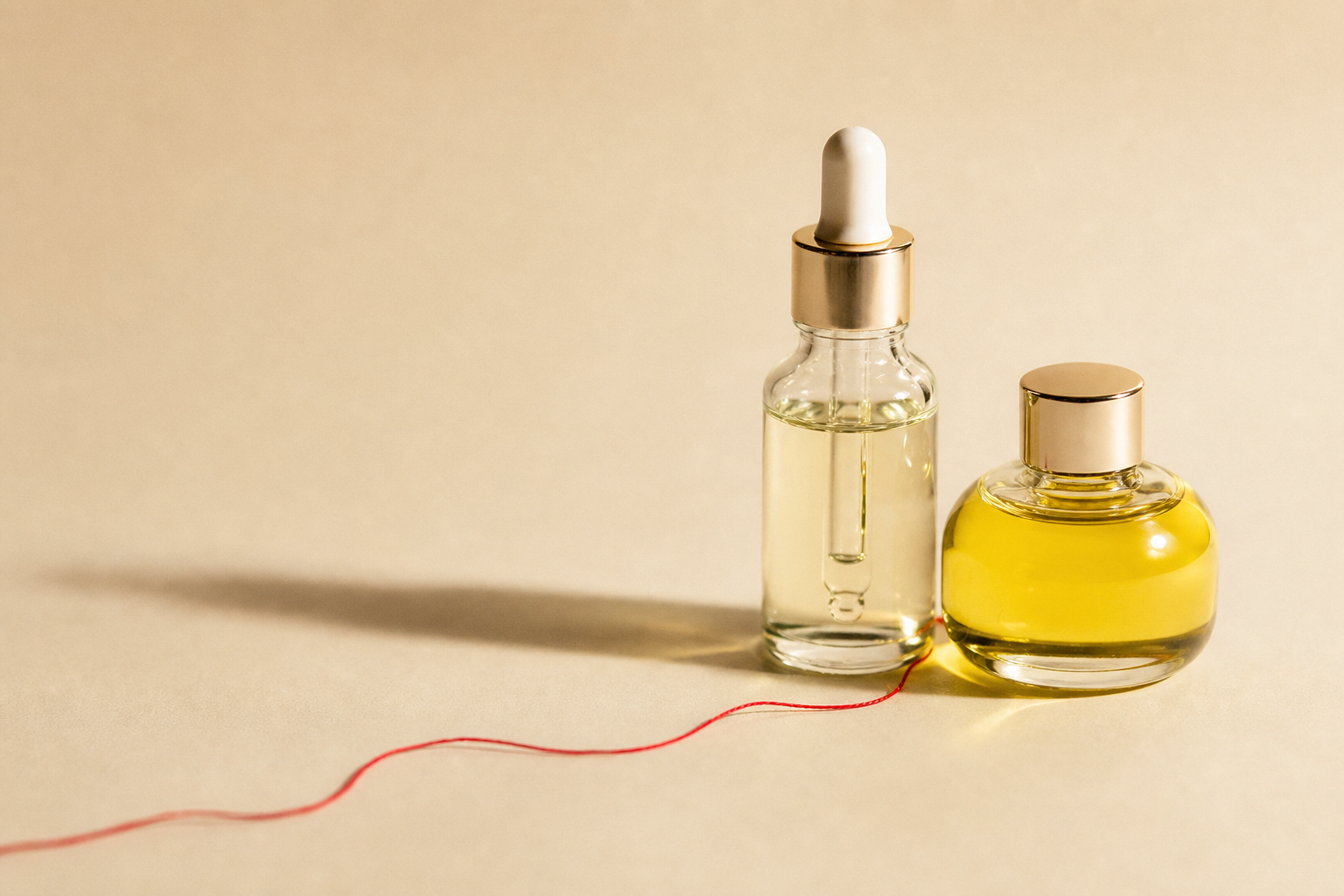
Fourth layer: a facial oil, and this is where most routines go wrong; applying oil too early blocks water-based actives from penetrating at all. Oil goes last among serums because its job is to seal in everything beneath it. A blend of squalane and rosehip works well; squalane is structurally similar to the skin's own sebum, which makes it especially useful mid-flight over a moisturizer that's already started to dry out.
Fifth layer: moisturizer, rich, not heavy, formulated with ceramides, cholesterol, and fatty acids, the three components that rebuild a stressed barrier. This is the layer that needs to change most when traveling into a colder or drier climate than the one skin is used to.
Final layer, mornings only: SPF fifty, ideally a chemical-physical hybrid that doesn't pill under makeup. Reapply on long travel days using a powder SPF over whatever has survived the journey so far.
What to keep within reach while traveling
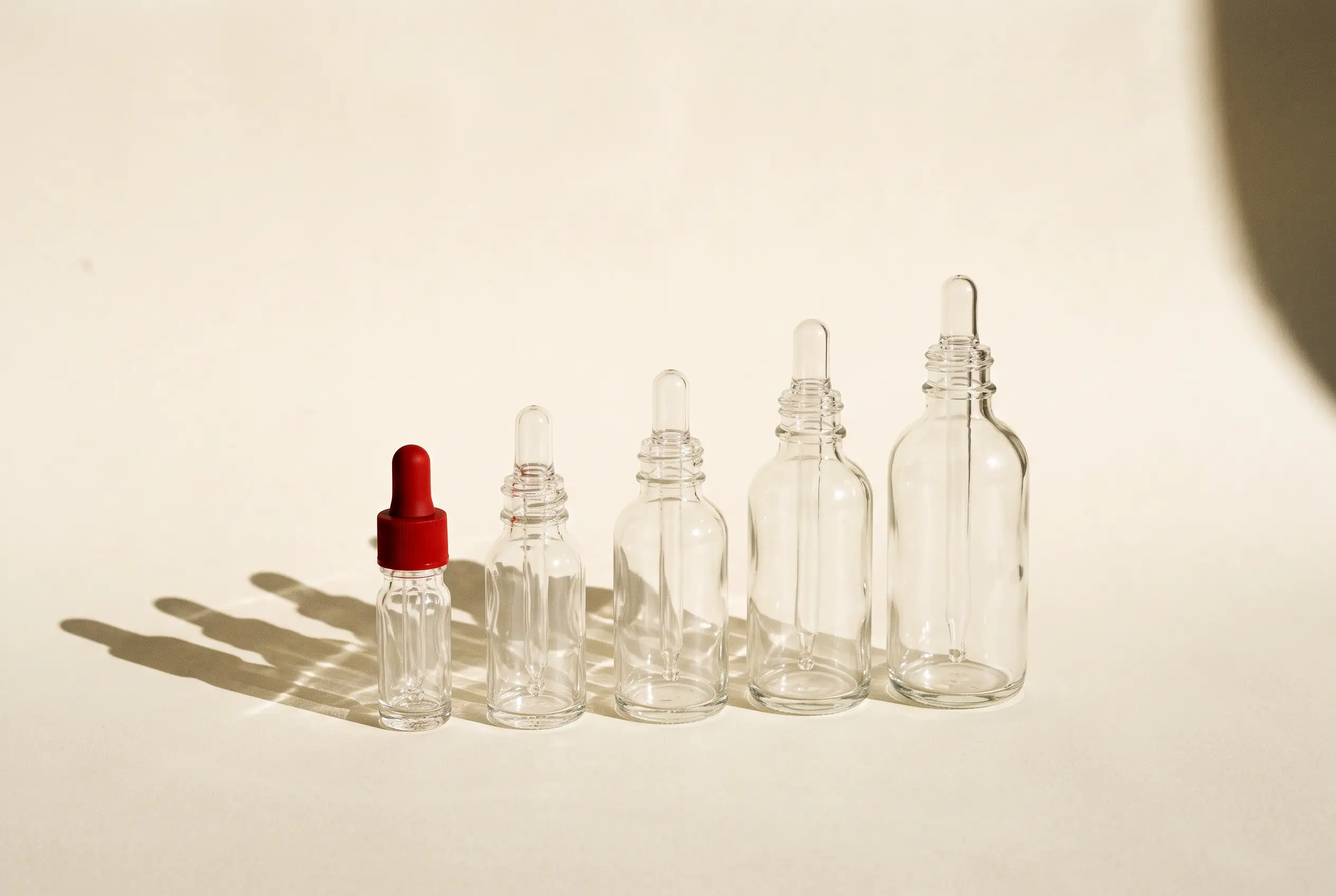
- A travel-sized hyaluronic acid essence in a refillable silicone bottle, applied immediately after any cleanse
- A small dropper of pure squalane, for mid-flight application and any hotel check-in that happens after midnight
- A ceramide-rich moisturizer in a solid or stick format, which clears security screening without a second look
- A peptide eye cream, since the skin around the eyes thins fastest and shows every time zone crossed
Get the order right and travel stops being the thing that undoes weeks of progress. The routine doesn't need to be complicated. It needs to be sequenced correctly, every time, regardless of which airport you're sitting in.