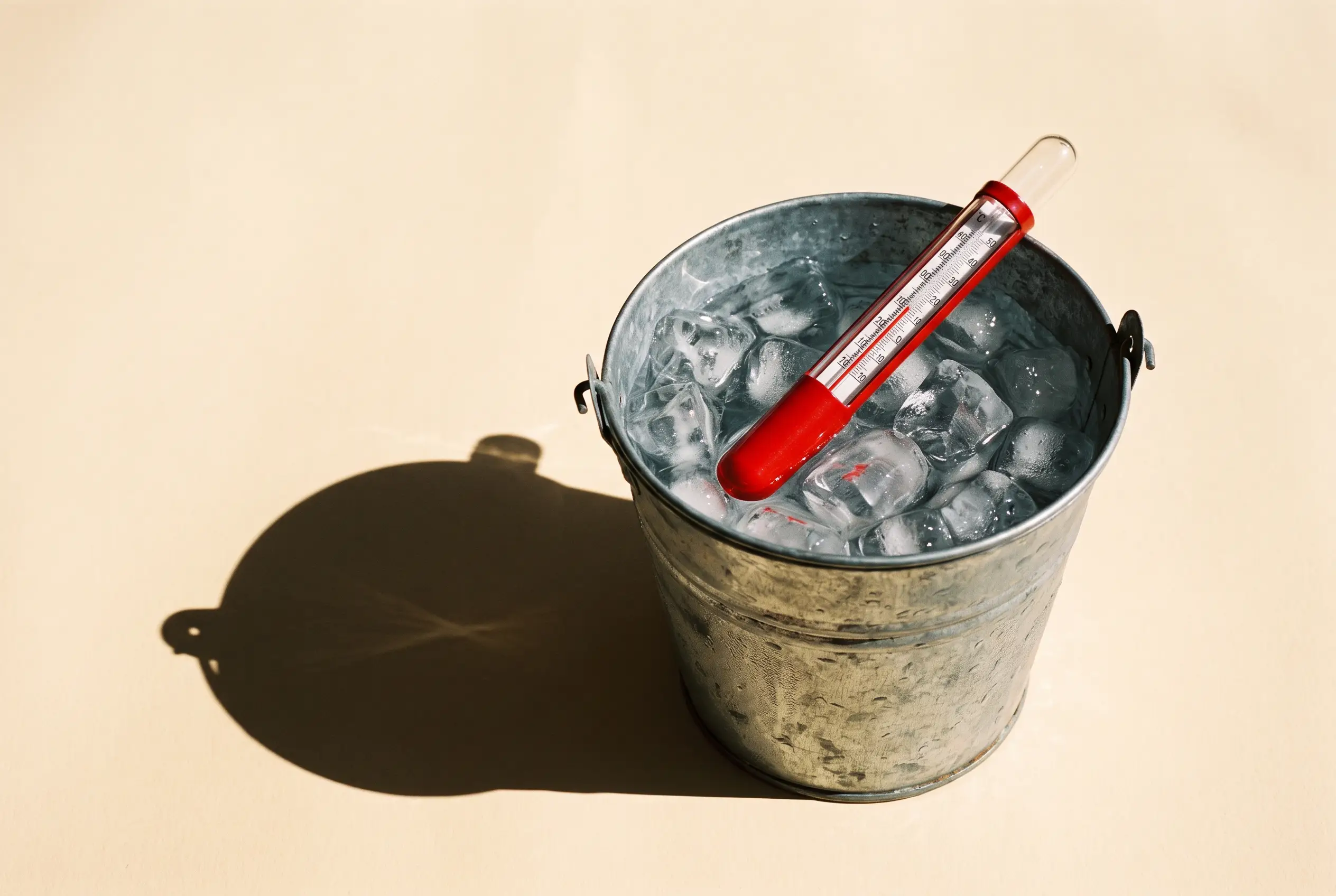
Cold plunging has moved from fringe wellness ritual to something doctors, athletes, and therapists take seriously, and the evidence behind it is more specific than the hype suggests.
The appeal isn't really about the water. It's about what happens in the sixty seconds before you get in. Cold exposure forces total presence: you cannot ruminate on a to-do list while your nervous system is negotiating with fifty-degree water. For anyone navigating a demanding stretch of training, work, or stress, that shift into an active, chosen discomfort works differently than passive rest. It rebuilds a kind of agency that stillness alone doesn't always provide.
What cold water immersion does, and does not do
Cold-water immersion produces measurable short-term physiological responses, but the evidence does not support a blanket claim that it reliably lowers chronic inflammation, strengthens immunity, or creates durable stress resilience. Studies vary widely in water temperature, exposure time, participant health, and outcome measurement.1
Post-exercise cold-water immersion can reduce perceived muscle soreness for some athletes. That short-term recovery outcome should not be confused with faster tissue repair or better long-term performance, and frequent immersion immediately after resistance training may interfere with some strength or hypertrophy adaptations.1
Cold plunging is not a treatment for disease. Never enter alone, never combine immersion with hyperventilation or breath-holding, and exit immediately for chest pain, severe breathlessness, confusion, weakness, loss of coordination, or uncontrollable shivering. People with cardiovascular disease, arrhythmia, uncontrolled blood pressure, seizure disorder, significant respiratory disease, pregnancy, or impaired thermoregulation should seek individualized medical guidance first.12
How to start without wrecking your first week
- Get medical clearance first, especially with any cardiac history
- Start with thirty to sixty seconds at a temperature you can actually tolerate, not the coldest tank at the gym
- Breathe out slowly and audibly. Panic breathing is what makes people bail in the first ten seconds
- Build frequency before you build duration; three short plunges a week beats one brutal one
- If muscle growth is the goal, plunge on non-lifting days or wait several hours after training rather than immediately after
Done carefully, cold plunging is one of the few wellness trends that earns its hype. Done recklessly, it is just cold water. The difference is entirely in the discipline you bring to it.