A serious diagnosis does not check the calendar before it arrives, and it has no particular respect for December.
Every family that has navigated a health crisis during the holidays knows the specific disorientation of it: the tree goes up on schedule, the invitations still arrive, and none of it fits anymore. The traditions built for an ordinary year suddenly feel like a costume that no longer closes. The instinct is usually to power through, to keep everything exactly as it was so the illness doesn't get to "win" the season too. That instinct is understandable and, more often than not, the wrong one.
The families who get through this stretch well tend to do one thing early: they stop treating the existing traditions as fixed. A holiday season is not a contract. It's a set of habits that accumulated because they worked in a different year, under different circumstances. When circumstances change, the habits are allowed to change with them — and giving yourself permission for that shift, on purpose and early, removes a fight that otherwise happens quietly and repeatedly for six weeks straight.
Deciding What Actually Stays
Not everything needs to be cut, and cutting everything is its own kind of mistake — it can read to children especially as confirmation that things really are as dire as they fear. The better move is sorting, out loud, what's essential from what was only ever habit. A family meal matters. The seating chart for it probably doesn't. A gift exchange matters if it's how people show care; the specific brand of wrapping paper does not.
A useful test: ask whether a given tradition exists because it genuinely creates connection, or because no one has questioned it in years. Traditions in the second category are the ones to release without guilt this season. They can always come back next year, once there's more capacity to hold them.
The holidays don't shrink when you strip them of excess. They tend to expand — what's left, once the performance is gone, is usually the actual thing you were celebrating.
Communicating Limits Without Apologizing for Them
Extended family and friends generally want to help and rarely know how. Vague availability ("we'll see how things go") creates more anxiety on both sides than a clear boundary does. Telling people early and specifically what is and isn't possible this year — fewer visits, shorter ones, no hosting, a smaller gift list — lets everyone plan around reality instead of hoping for the version of the holiday they remember.
A few practices worth adopting deliberately during a hard season:
- Set limits in advance, not in the moment. A boundary stated in October is a plan. The same boundary stated on December 23rd reads as a crisis, even when it isn't one.
- Let children participate in decisions sized for them. Choosing the tree, picking a movie, deciding on one small ritual gives kids a sense of agency in a season where very little else feels within their control.
- Build one small non-negotiable ritual and protect it fiercely. It doesn't need to be elaborate — a shared meal, twenty phone-free minutes, one thing named out loud each day that went well. Consistency does more for a family's sense of stability than scale ever does.
- Accept help without keeping a mental ledger of it. Meals, errands, and company offered in a hard season aren't loans. Treating them as debts to be repaid later adds a layer of obligation nobody needs to be carrying right now.
Making Room for Two Things at Once
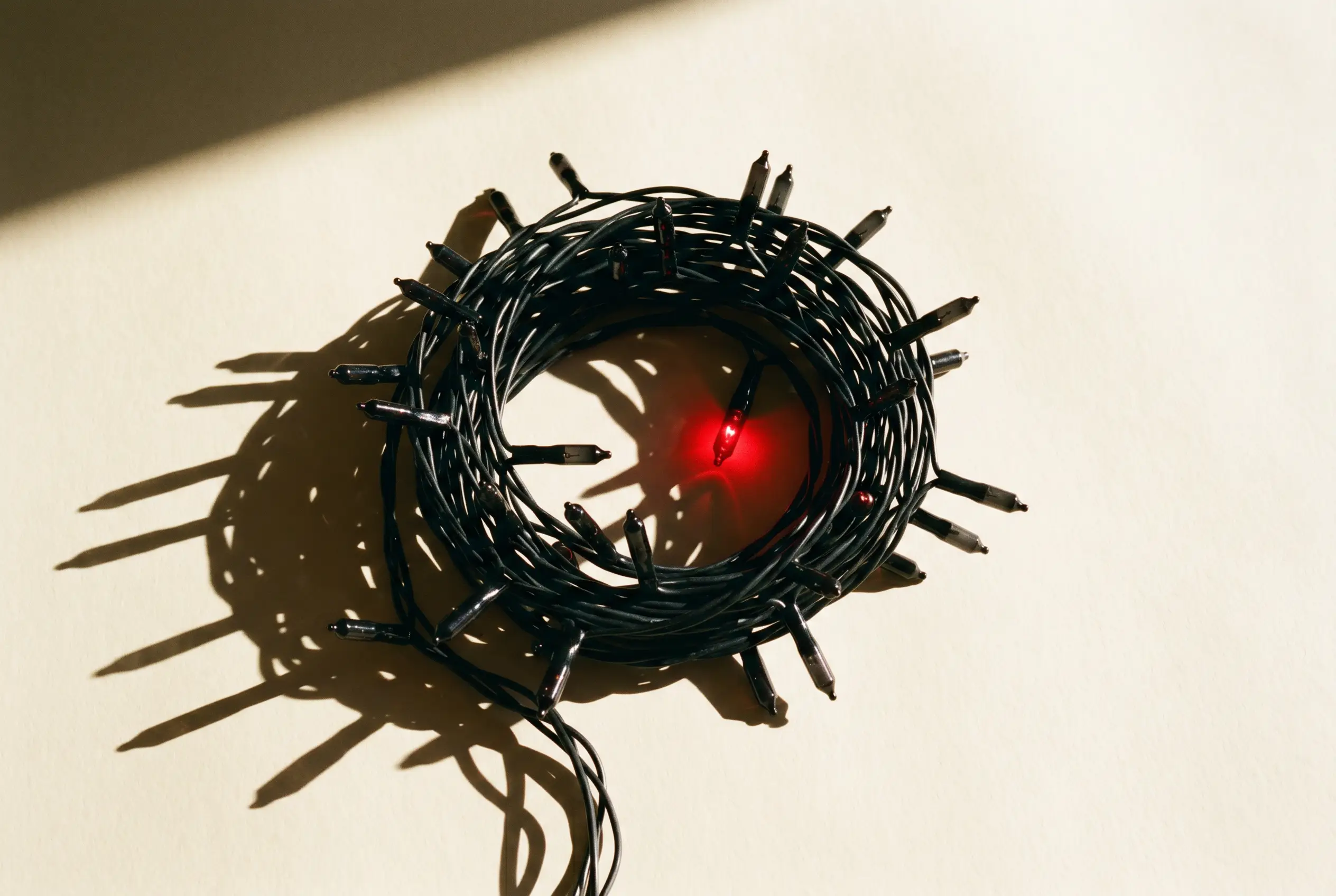
One of the harder adjustments is holding grief and celebration in the same room without forcing either one to apologize for the other. It's possible to be genuinely frightened about a diagnosis and genuinely glad about a string of lights on the same evening — those two things are not in competition, and pretending they are only adds exhaustion to an already exhausting season.
Purpose and routine, even scaled down, tend to help more than avoidance does. A reduced version of normal life — a shortened work schedule, a smaller version of a volunteer commitment, a modest version of a family tradition — often provides more steadiness than clearing the calendar entirely. The goal isn't to preserve the old holiday intact. It's to build a smaller, truer one that the whole family can actually carry.
The families who look back on a hard season without regret are rarely the ones who managed to keep everything the same. They're the ones who let the season get smaller on purpose, kept what mattered, and found that what was left was sturdy enough to hold.