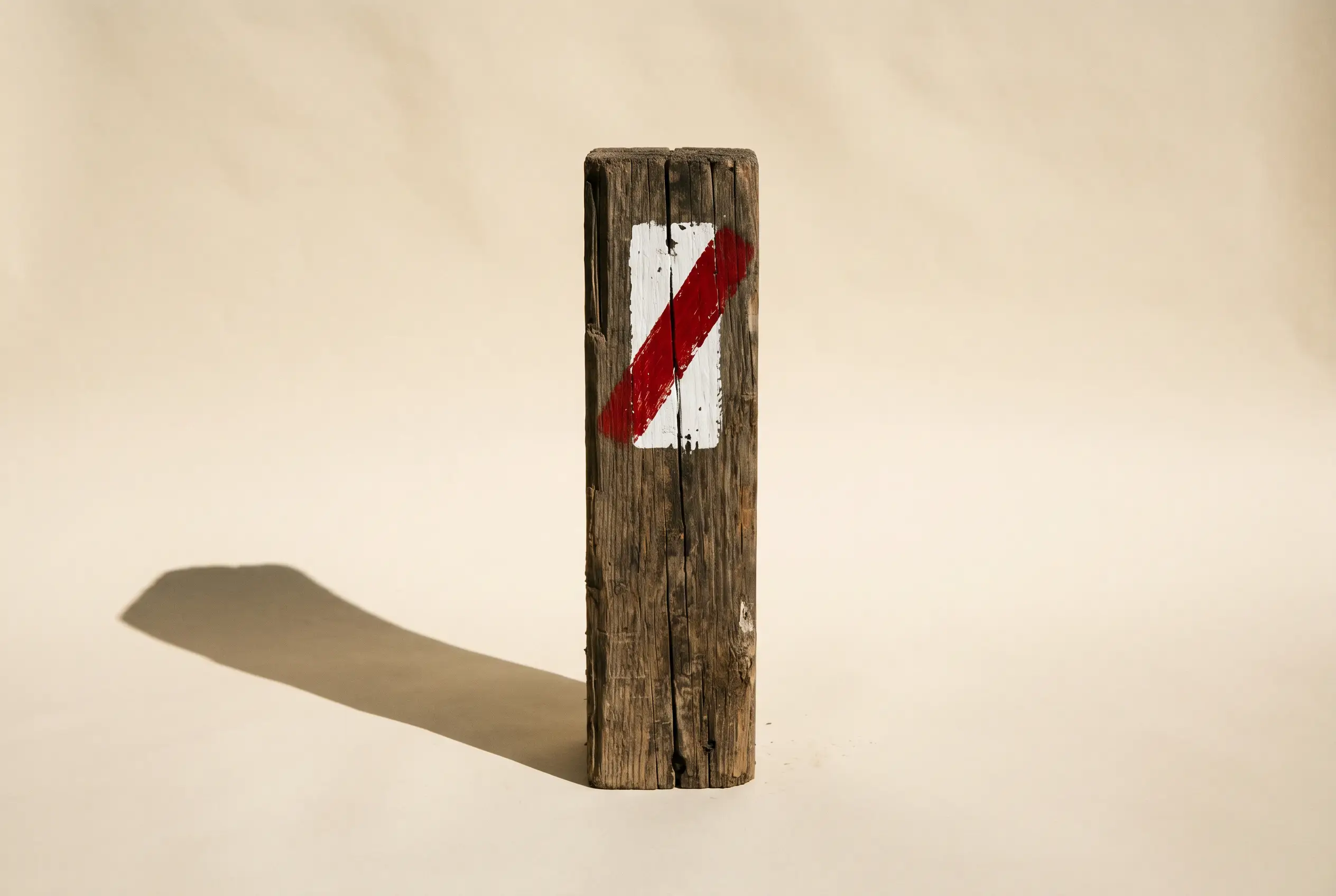
A section hike is not a scaled-down thru-hike. It is its own discipline — a compressed stretch of trail where every planning mistake shows up fast, because there is no slow-build acclimation week to absorb it. Get the fundamentals wrong on day one and you spend the rest of the trip managing damage instead of covering ground.
Most first-timers over-plan the parts that do not matter and under-plan the parts that do. Route research, permit logistics, and gear lists get the spreadsheet treatment. Physical readiness for the actual terrain — not just distance, but grade, footing, and sustained elevation change — gets a shrug. That imbalance is where most early section hikes go wrong.
Train for the Terrain, Not the Mileage
Flat-ground fitness is a foundation, not a finish line. The Appalachian Trail's elevation profile does not care how many miles you logged on a treadmill or a paved greenway. What matters is time on your feet with a loaded pack, on real grade, in real weather. Descents are the quiet killer — they load the knees and quads in ways ascents do not, and they are where untrained hikers unravel fastest.
Break in boots for at least sixty miles before setting foot on the trail. New footwear on a multi-day hike is one of the most common and most preventable causes of a ruined trip. Practice hiking in rain, not just sun, because weather on ridgelines can shift from clear to zero-visibility fog inside an hour, especially in the Smokies and the Whites.
The trail rewards preparation. It does not reward perfection. Come ready to adjust, not to execute a plan exactly as written.
Pack Light, But Pack Smart
Every extra ounce is a tax your joints pay on every mile of ascent. First-time section hikers routinely over-pack by twenty to thirty percent — extra layers "just in case," backup gear duplicating what is already in the kit, food quantities sized for a crew instead of a solo hiker. Weight is the single largest controllable variable in how a hike feels by day three.
- Buy quality boots or trail runners and break them in well before the trip — do not test new gear on a committed itinerary.
- Learn to read weather patterns, not just a forecast app. Ridgeline weather moves faster than most apps update.
- Pack less food than instinct suggests for day one. Appetite typically lags behind exertion early in a hike, and unused weight is dead weight.
- Know the bail-out points on your route before you start. Having an exit is not a failure of nerve. It is basic risk management.
Gear marketing sells confidence in a stuff sack — merino base layers, carbon poles, jackets priced like small appliances. Some of it earns its keep. Most of it is noise relative to the two things that actually determine how a section hike goes: physical preparation and the ability to adjust the plan when conditions demand it.
What the Terrain Actually Tests
A section hike tests judgment more than endurance. Anyone reasonably fit can walk for four days. Fewer people can recognize, honestly and early, when a knee needs a break, when the weather window is closing, or when the "planned" campsite is a fantasy versus what is actually available. That recognition — and the willingness to act on it without treating it as defeat — is the real skill the trail is testing.
Silence is also part of the test, in a way most first-timers do not expect. Without a phone signal or a schedule to hit, the trail strips a hike down to essentials: pace, weather, water, shelter. What is left after that stripping-down is usually more instructive than the miles themselves. Come prepared for the terrain, pack for the conditions rather than the fantasy of them, and treat the plan as a starting point rather than a contract. The mountain sets the terms. The preparation just determines how well you can meet them.